Introduction
The car is one of the greatest inventions in human history. It has changed the way people travel, work, and live. Today, millions of cars are used around the world for personal transportation, business, and public services. However, the history of the car began many years ago with simple ideas and inventions. The development of the automobile took centuries of hard work, innovation, and technological progress. This essay explains where the car began, how it developed over time, and how it became an essential part of modern life.
The Early Idea of the Car
The idea of a self-moving vehicle is very old. Before cars were invented, people traveled by walking, riding horses, or using horse-drawn carts and wagons. Inventors dreamed of creating a vehicle that could move without animals.
One of the earliest people to imagine such a machine was Leonardo da Vinci, an Italian artist and inventor, in the late 15th century. He designed a self-propelled cart, although it was never built during his lifetime. His ideas inspired future inventors to develop motorized vehicles.
The First Steam-Powered Vehicles
The first real attempt to build a self-moving vehicle came in the 18th century. In 1769, a French engineer named Nicolas-Joseph Cugnot built a steam-powered vehicle. It was designed to carry heavy military equipment. This vehicle is considered the first full-sized self-propelled road vehicle.
Although the steam-powered vehicle was an important invention, it had many problems. It was very slow, difficult to control, and needed frequent stops to produce steam. Because of these limitations, steam-powered cars did not become popular for everyday transportation.
The Invention of the Internal Combustion Engine
A major breakthrough came in the 19th century with the invention of the internal combustion engine. This type of engine burns fuel such as gasoline inside the engine to produce power.
Several inventors worked on improving this technology. In 1876, Nikolaus Otto, a German engineer, developed the four-stroke engine, which became the foundation of modern gasoline engines. His invention made vehicles more efficient and reliable.
Karl Benz and the First Modern Car
The person most widely recognized as the inventor of the modern automobile is Karl Benz of Germany. In 1885, he built the Benz Patent-Motorwagen, a three-wheeled vehicle powered by a gasoline engine.
In 1886, Karl Benz received a patent for his invention. This date is considered the official birth of the modern automobile. The Benz Patent-Motorwagen had a lightweight engine, steering system, and wheels designed specifically for motorized travel.
Karl Benz’s invention proved that gasoline-powered cars could be practical and useful for everyday transportation.
Bertha Benz’s Historic Journey
An important event in the history of the automobile took place in 1888, when Bertha Benz, Karl Benz’s wife, made the world’s first long-distance automobile journey. She drove more than 100 kilometers without informing her husband beforehand.
During the trip, she solved several mechanical problems herself and demonstrated that the automobile could be used for long-distance travel. Her successful journey attracted public attention and increased confidence in the new invention.
The Growth of the Automobile Industry
After Karl Benz’s success, many inventors and companies began developing their own automobiles. In Germany, Gottlieb Daimler and Wilhelm Maybach designed powerful gasoline engines and improved car technology.
In France and Britain, automobile production also expanded. Engineers improved engine performance, safety, and comfort. Cars gradually became faster, stronger, and more reliable.
Henry Ford and Mass Production
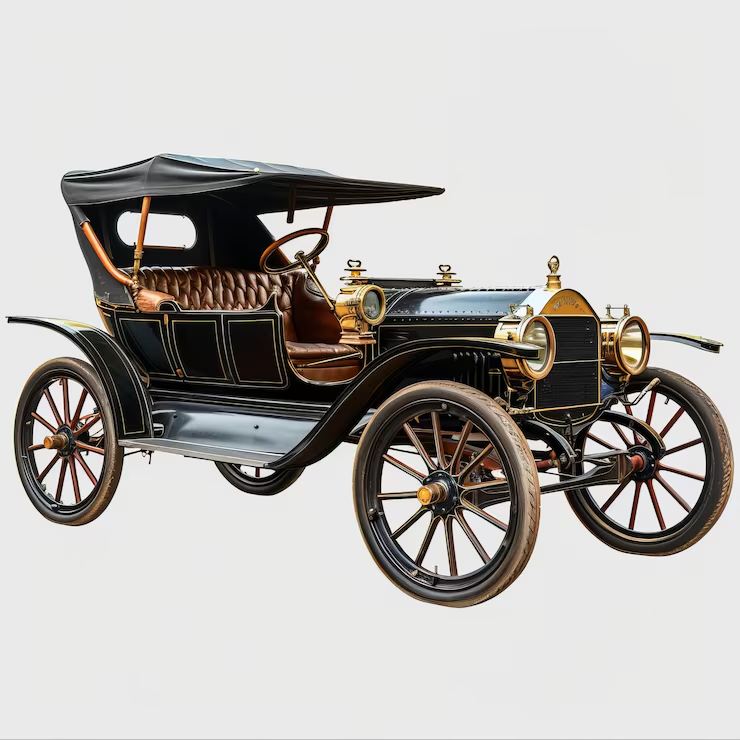
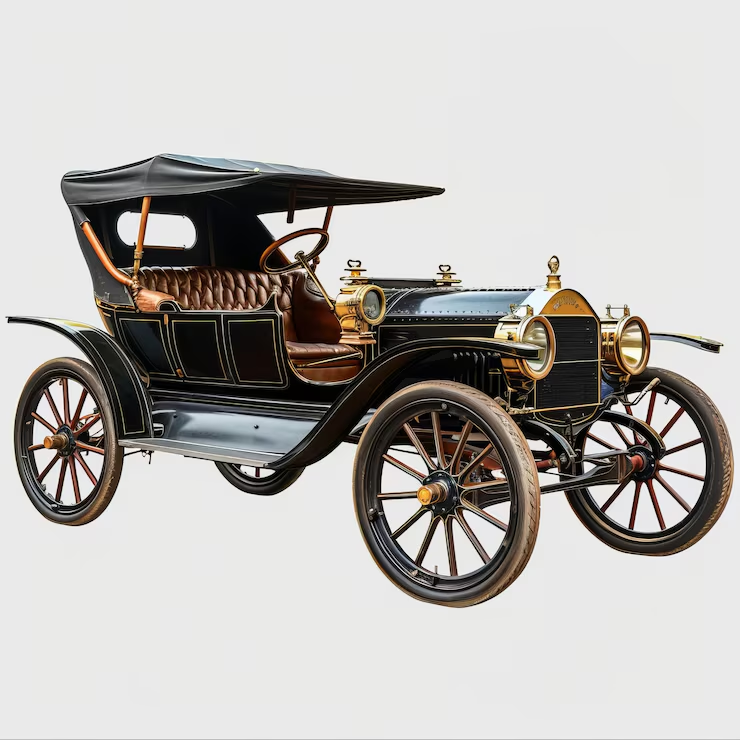
The automobile became affordable for ordinary people because of Henry Ford, an American industrialist. In 1908, he introduced the Ford Model T, a simple, durable, and affordable car.
Ford’s greatest achievement was introducing the moving assembly line in 1913. Instead of building one car at a time, workers assembled cars step by step as they moved along a production line. This greatly reduced manufacturing costs and production time.
As a result, the price of cars dropped, making them available to middle-class families. Millions of Model T cars were sold, transforming transportation around the world.
Technological Improvements
Throughout the 20th century, cars continued to improve. Manufacturers introduced many new features, including:
- Electric starters
- Better braking systems
- Automatic transmissions
- Air conditioning
- Seat belts
- Airbags
- Power steering
- Fuel-efficient engines
These innovations made cars safer, more comfortable, and easier to drive.
Modern Cars
Today, cars are equipped with advanced technology. Many vehicles have GPS navigation, touchscreen displays, parking sensors, rear-view cameras, and driver-assistance systems. Electric and hybrid cars are becoming increasingly popular because they reduce fuel consumption and lower pollution.
Companies are also developing self-driving cars that use artificial intelligence and sensors to navigate roads with little or no human input.
Importance of Cars
Cars play an essential role in modern society. They provide fast and convenient transportation for individuals and families. Businesses use cars and trucks to deliver goods and services efficiently. Emergency vehicles such as ambulances, police cars, and fire trucks save lives by responding quickly to emergencies.
Cars also support tourism, trade, education, and economic development by connecting people and places.
Challenges
Despite their many advantages, cars also create challenges. Large numbers of vehicles contribute to traffic congestion, air pollution, and greenhouse gas emissions. Road accidents remain a serious concern in many countries.
To address these problems, governments and manufacturers are promoting electric vehicles, cleaner fuels, improved public transportation, and stricter safety standards.
Conclusion
The history of the car began with the dream of creating a self-moving vehicle. From Leonardo da Vinci’s early ideas to Nicolas-Joseph Cugnot’s steam-powered machine and Karl Benz’s gasoline-powered automobile, the car has evolved through centuries of innovation. Henry Ford’s mass production methods made cars affordable for millions of people, while modern technology has made them safer, smarter, and more environmentally friendly. Today, the automobile remains one of the most important inventions in human history, connecting people across cities, countries, and continents while continuing to evolve for the future.
see our latest post:Best Player Shaheen Shah Afridi very beautify 2026