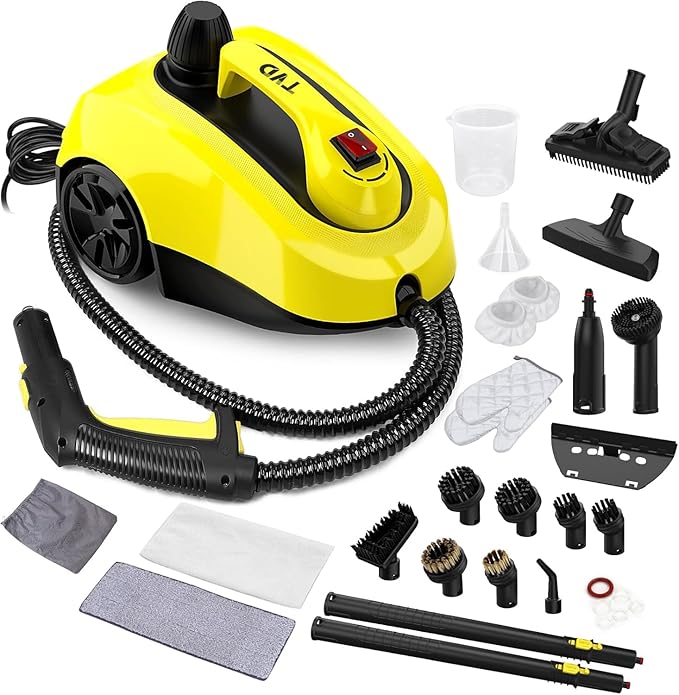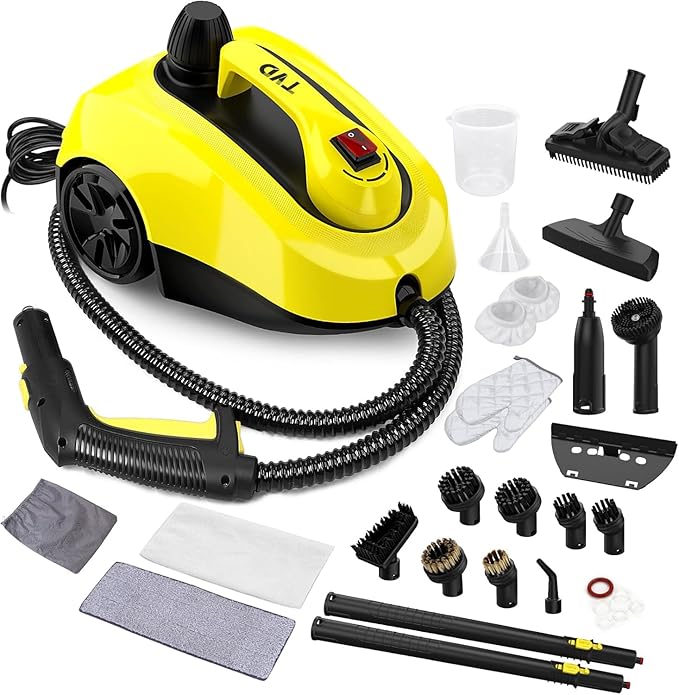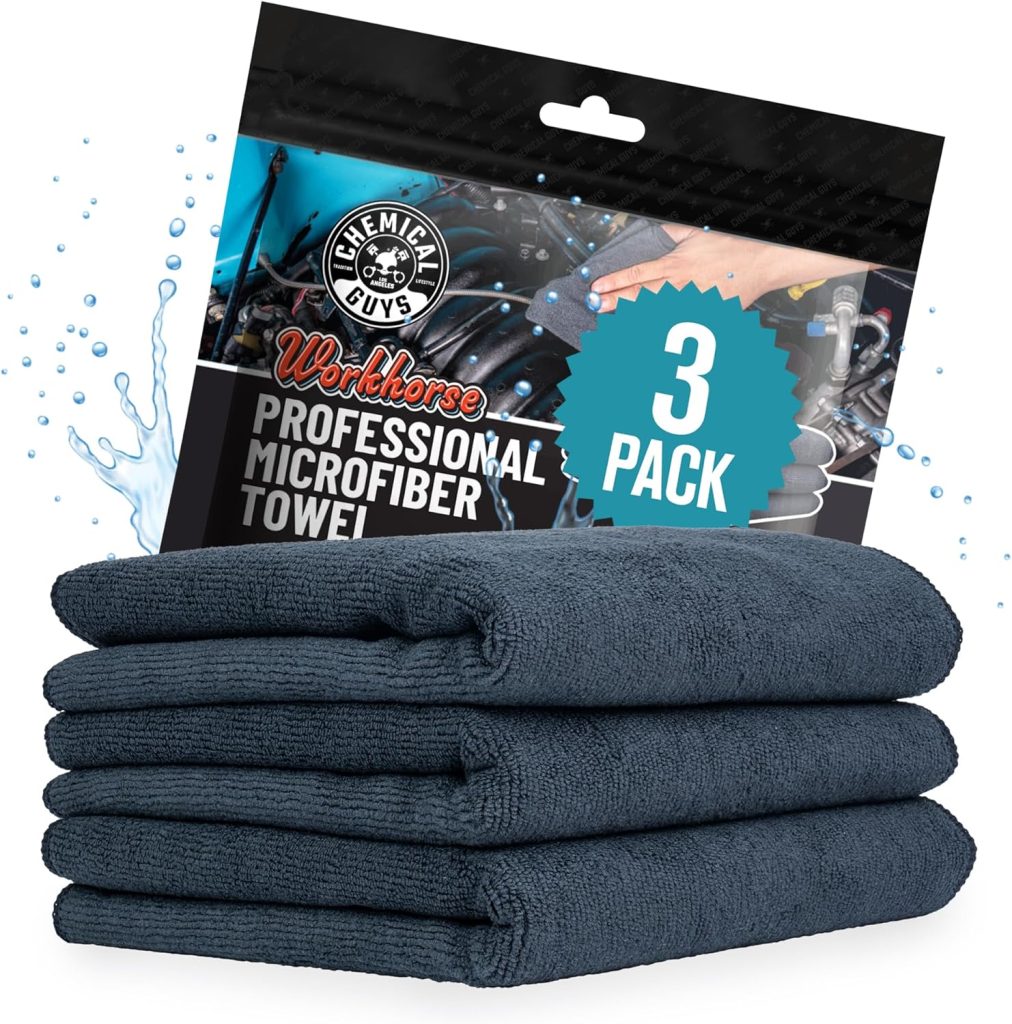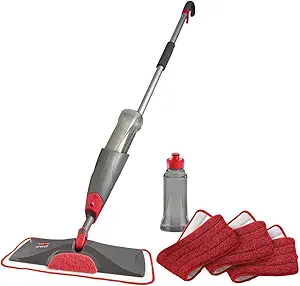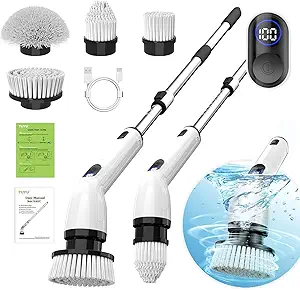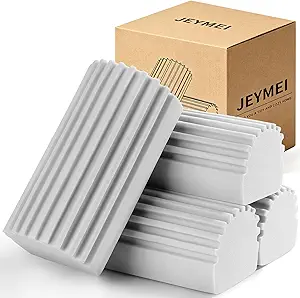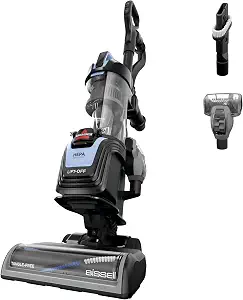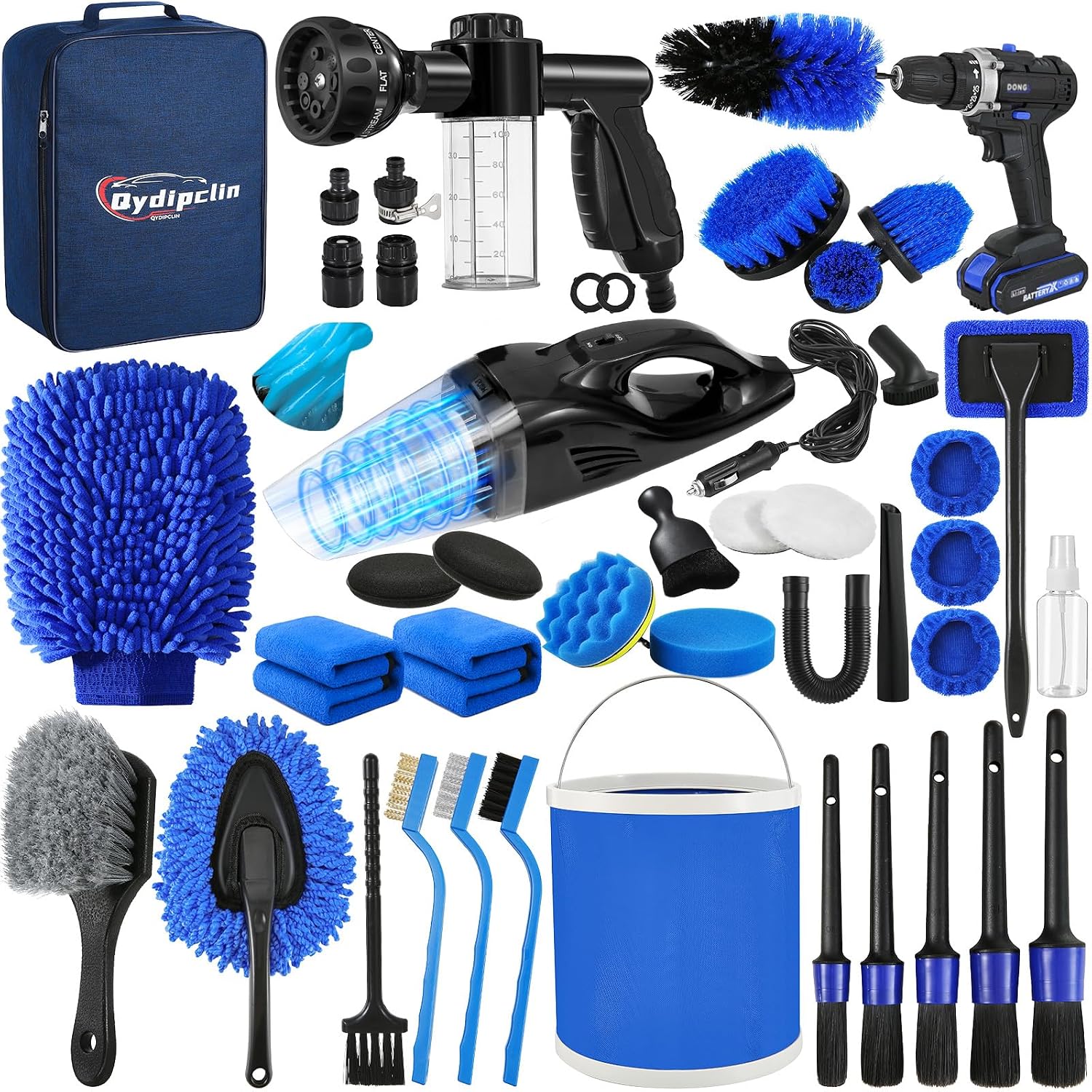
BEST Home Painting Services kits 2026

Home Painting Services

A fresh coat of painting services can make a home look cleaner, brighter, and more attractive. Whether you are renovating an old house, changing the colour of a room, or preparing a property for sale, the right tools and materials can make the painting process much easier. Home Painting Services Kits 2026 are designed to provide many of the essential tools needed for preparation, painting, finishing, and cleanup.

A professional painting project involves more than simply applying paint to walls. Proper preparation, suitable tools, good-quality materials, and careful application all contribute to a better result. In this guide, we will discuss the most important items in home painting service kits, different types of painting services, their benefits, and how to choose the right option for your home.
What Are Home Painting Services Kits?

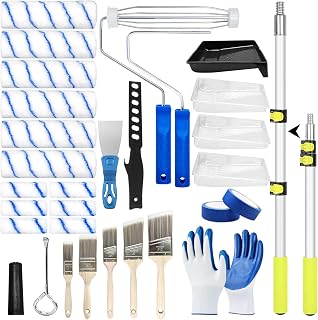
Home painting services kits are collections of tools and supplies used for residential painting projects. Depending on the kit or painting service, it may include paint brushes, rollers, paint trays, painter’s tape, drop cloths, scrapers, sanding materials, and other accessories.

Some professional painting companies provide these materials as part of their service, while homeowners who prefer DIY projects can purchase their own painting kits.

A complete kit helps keep the painting process organized and reduces the need to purchase individual tools separately.

Why Are Home Painting Kits Important?

Having the right tools can make painting easier and more efficient. A good kit can help with surface preparation, paint application, edge work, protection, and cleanup.

For example, rollers are useful for covering large walls, while smaller brushes are better for corners and detailed areas. Painter’s tape can help protect trim and create cleaner edges, while drop cloths can protect floors and furniture from paint.

Using appropriate tools can also reduce unnecessary mess and make the project more manageable.

Essential Tools in Home Painting Services Kits 2026

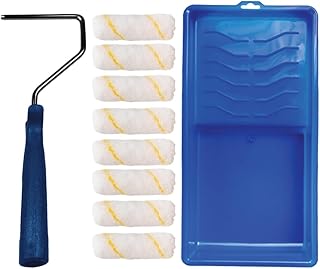
1. Paint Rollers

Paint rollers are one of the most important tools for painting large surfaces. They allow painters to cover walls and ceilings more quickly than using a brush alone.

Different roller types are available for different surfaces. Choosing the correct roller can help provide a smoother and more consistent finish.
2. Paint Brushes

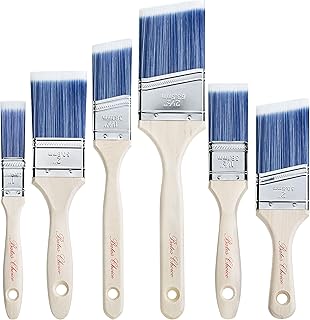
Paint brushes are useful for corners, edges, doors, windows, trim, and smaller areas. A complete painting kit may contain different brush sizes for different jobs.

High-quality brushes can make detailed painting easier and help reduce uneven application.
3. Paint Trays

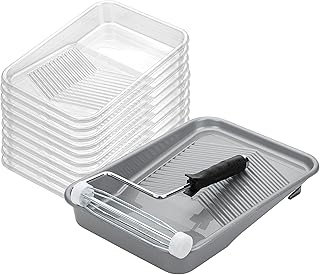
Paint trays are used with rollers and make it easier to load the correct amount of paint onto the roller. A good tray can help reduce dripping and unnecessary paint waste.

Some kits also include disposable tray liners, which can make cleanup easier after the project.
4. Painter’s Tape

Painter’s tape is commonly used around windows, doors, trim, switches, and other areas that should remain free from paint.

Applying tape carefully can help create cleaner lines and reduce the amount of touch-up work required after painting.

5. Drop Cloths

Drop cloths protect floors, furniture, and other surfaces from paint splashes and accidental spills.

Before painting starts, furniture should be moved away from the walls whenever possible. Items that cannot be moved should be covered properly.

6. Sanding Tools

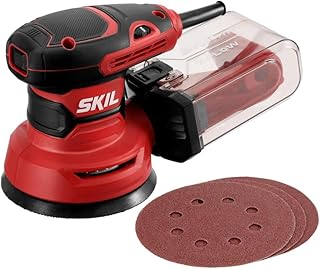
Surface preparation is an important part of a successful painting project. Sanding materials can help smooth certain rough surfaces and prepare them for primer or paint.

The appropriate preparation method depends on the condition and type of surface.
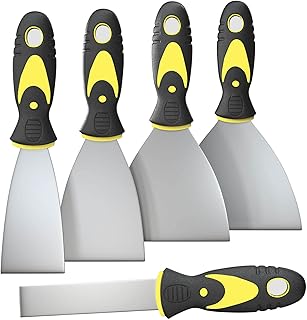
7. Paint Scrapers

Paint scrapers can be useful for removing loose or damaged paint before applying a new coating. Removing unstable material can help create a better surface for the next layer.
8. Extension Poles

Extension poles can help painters reach high walls and ceilings while working from a safer position. They can also make roller application more comfortable.

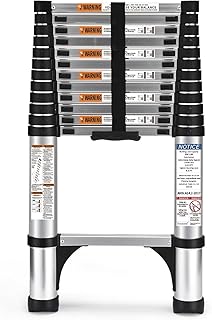
9. Ladders

Ladders may be required for high walls, ceilings, and other difficult-to-reach areas. Always use a suitable, stable ladder and follow its safety instructions.
Interior Home Painting Services

Interior painting is one of the most common residential painting services. It can be used to refresh bedrooms, living rooms, hallways, kitchens, offices, and other indoor spaces.

A typical interior painting project may include:

  • Moving or covering furniture
  • Preparing walls
  • Filling suitable surface imperfections
  • Sanding where necessary
  • Applying primer when required
  • Painting walls and ceilings
  • Painting trim and doors
  • Performing touch-ups
  • Cleaning the work area

The final appearance can depend heavily on surface preparation and application technique.

Exterior Home Painting Services

Exterior painting focuses on outside walls and other outdoor surfaces. Because exterior surfaces are exposed to changing weather conditions, they require suitable preparation and paint products.

Exterior painting may involve cleaning the surface, removing loose material, preparing damaged areas, applying primer when needed, and applying exterior paint.

The correct process depends on the condition and material of the surface.

How to Choose the Right Paint Colour

Colour selection is an important part of any home painting project. A colour can look different depending on natural light, artificial lighting, room size, furniture, and surrounding colours.

Before choosing a final colour, consider the overall design of the room. Neutral shades can provide a simple appearance, while stronger colours can create a more noticeable feature.

Using small colour samples before painting an entire room can also help you understand how a shade looks under different lighting conditions.

Benefits of Professional Home Painting Services

Saves Time

Professional painters are familiar with preparation and application techniques, which can make larger projects more efficient.

Better Surface Preparation

Proper preparation can improve how paint looks and performs. Professionals can identify areas that need additional preparation before painting.

Consistent Finish

Experienced painters can use suitable brushes, rollers, and application methods to achieve a more consistent appearance.

Less Mess

Professional services generally include preparation and cleanup, which can reduce the amount of work required from the homeowner.

Helpful Colour Advice

Some painting services offer colour consultation or recommendations, which can be useful if you are unsure which colours or finishes to choose.

How to Choose Home Painting Services in 2026

Before hiring a professional painting company, compare the services offered by different providers.

First, ask what is included in the package. Some services may include labour only, while others may include preparation, paint, tools, and cleanup.

Second, request a clear estimate before the project begins. The total cost may depend on room size, surface condition, paint type, number of coats, and project complexity.

Third, ask about the expected project timeline. A single bedroom will normally require a different amount of work than an entire house.

It is also useful to check customer reviews and previous projects before making your decision.

Common Painting Mistakes to Avoid

One common mistake is painting without properly preparing the surface. Dust, dirt, loose paint, or damaged areas can affect the final result.

Another mistake is choosing paint only because it looks attractive on a small sample. Always consider lighting and the existing design of the room.

Using unsuitable or poor-quality tools can also make the project more difficult. A good roller, brush, tape, and protective material can make a noticeable difference.

Finally, do not forget cleanup. Remove painter’s tape at the appropriate stage according to the paint and project requirements, clean tools properly, and keep the work area organized.

Frequently Asked Questions

What should a home painting kit include?

A basic home painting kit can include brushes, rollers, paint trays, painter’s tape, drop cloths, sanding materials, scrapers, and other preparation tools.

Are home painting services worth it?

Professional painting services can be useful when you want to save time or when the project involves multiple rooms, high surfaces, extensive preparation, or exterior work.

How do I choose the best paint colour?

Consider room size, natural light, furniture, flooring, and your preferred design style. Testing samples before painting the entire room can be helpful.

How often should a home be repainted?

The ideal repainting schedule depends on the paint type, surface condition, room usage, climate, and exposure to sunlight or moisture.

Should I hire professional painters or paint myself?

DIY painting can work well for small projects if you have the necessary tools and time. Professional painters may be a better option for larger projects or surfaces requiring extensive preparation.

Final Thoughts

Home Painting Services Kits 2026 can provide the essential tools and materials needed for an organized residential painting project. From rollers and brushes to painter’s tape, drop cloths, scrapers, and preparation supplies, each tool has an important role.

Before starting your project, consider the condition of your walls, the type of paint required, the size of the area, your budget, and whether you want to complete the work yourself or hire professionals.

With proper preparation, suitable tools, and careful application, you can give your home a fresh and attractive appearance while making the painting process easier and more efficient.

SEE MORE : https://usman.zeerankers.com
BEST WATER FILTER KITS 2026

best water filter kits 2026

Clean and safe drinking water is important for every home. The best water filter kits 2026 can help improve the taste, smell, and overall quality of tap water. Different homes have different water needs, so choosing the right filter kit depends on factors such as filter type, installation method, capacity, maintenance, and budget.

In this guide, we will explain the main types of water filter kits, their benefits, important features, and how to choose the right option for your home.

What Are Water Filter Kits?

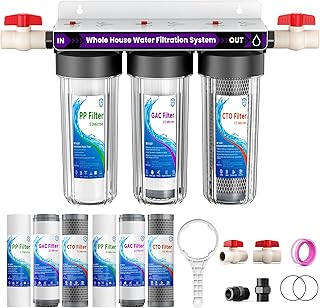
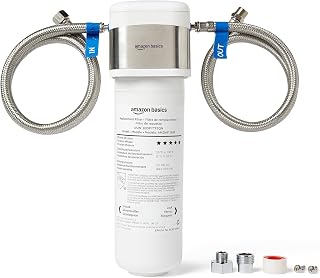
Water filter kits are systems designed to reduce unwanted substances from water. A typical kit may include a filter cartridge, housing, tubing, connectors, and other installation parts.

Some filters are designed for drinking water, while others can be installed under a sink or connected to a faucet. The right system depends on the quality of your water and what you want the filter to remove.

Why Use a Water Filter Kit?

There are several reasons homeowners choose water filtration systems. Filtered water can have a cleaner taste and may be more pleasant for drinking and cooking.

A good water filter kit can also provide a convenient alternative to buying bottled water. Many reusable filtration systems are designed for regular household use and can reduce the need for disposable bottles.

However, no single filter removes every possible contaminant. Before purchasing a system, check what the specific filter is certified or tested to reduce.

Types of Water Filter Kits

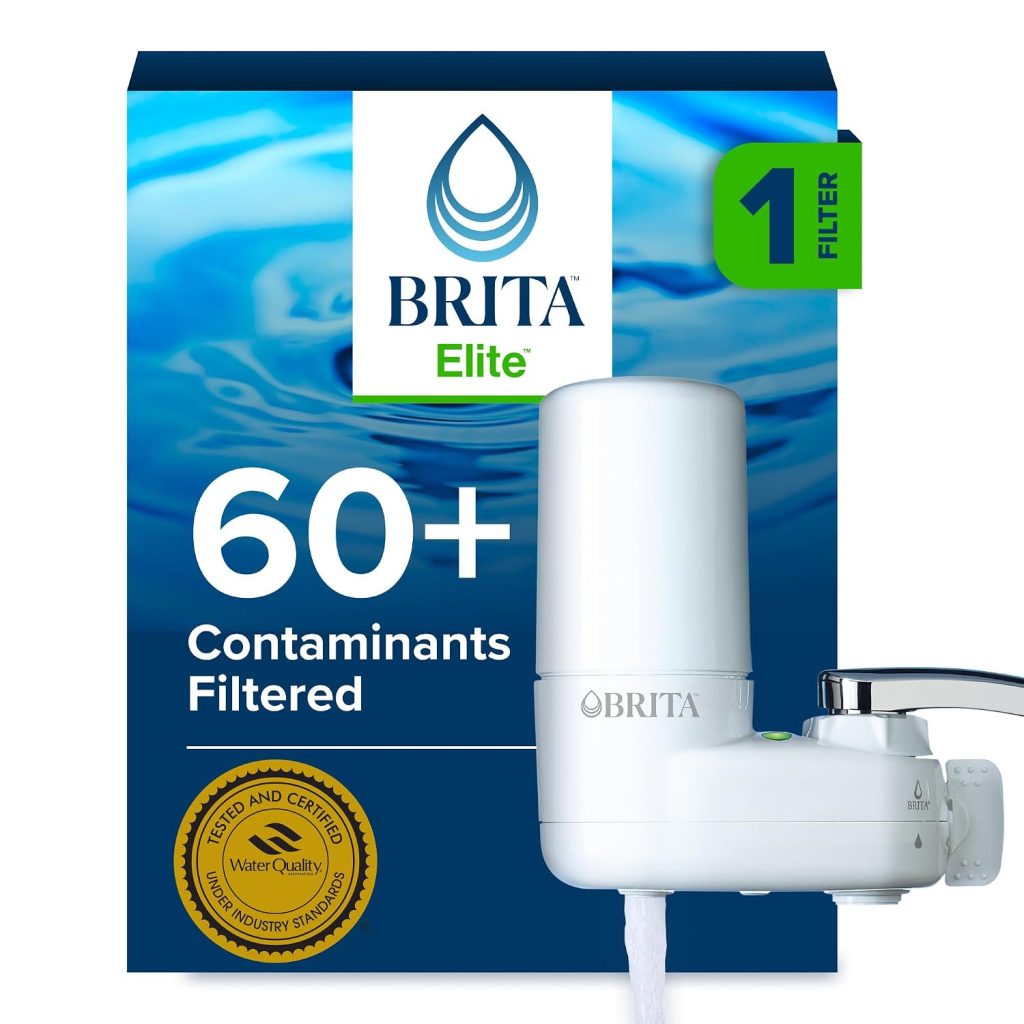
1. Faucet Water Filter Kits

Faucet-mounted filters attach directly to a compatible kitchen faucet. They are usually simple to install and are useful for people who want filtered water without installing a large system.

These filters are suitable for basic household drinking-water needs, but compatibility with your faucet should be checked before buying.

2. Under-Sink Water Filter Kits

Under-sink systems are installed below the kitchen sink and provide filtered water through a dedicated faucet or existing setup, depending on the system.

They are a good choice for households that want a more permanent filtration solution without placing a filter on the countertop.

3.Countertop Water Filter Kits

Countertop systems sit near the sink and are designed to filter water without complicated installation. They can be useful for renters or people who do not want to modify their plumbing.

Their main advantage is convenience and relatively simple setup.

4. Whole-House Water Filter Kits

Whole-house systems are installed at the main water supply and can filter water before it reaches different fixtures in the home.

These systems are generally more suitable when the goal is to improve water quality throughout the house rather than only at one drinking-water tap.

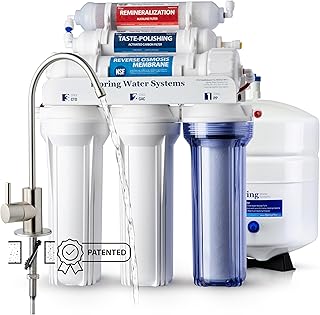
5. Reverse Osmosis Water Filter Kits

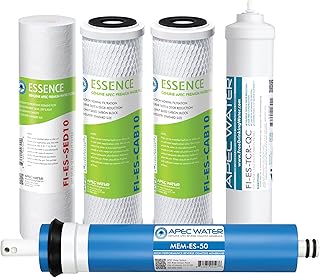
Reverse osmosis systems use a membrane-based filtration process and can reduce a wide range of dissolved substances. They often include multiple filtration stages.

Because these systems are more complex, installation, maintenance, replacement filters, and water usage should be considered before purchasing.

Important Features to Consider

Choosing the best water filter kits 2026 requires looking beyond price. Consider these important features before making a decision.

Filtration Type

Different technologies target different water-quality concerns. Activated carbon filters are commonly used for improving taste and reducing certain contaminants, while reverse osmosis systems provide a different level of filtration.

Always check the manufacturer’s specifications to understand what the filter is designed to reduce.

Filter Life

Filter cartridges need regular replacement. A longer filter life can mean less frequent maintenance, but actual replacement intervals depend on water quality and usage.

Check the recommended replacement schedule before purchasing.

Water Flow Rate

A filter with a low flow rate may take longer to fill a glass or container. If your household uses a lot of filtered water, consider a system designed for an appropriate flow rate.

Installation

Some water filter kits are designed for easy installation, while others may require plumbing work. If you rent your home, a countertop or faucet-mounted option may be more convenient.

Capacity

Capacity is particularly important for larger households. A small filter may work well for one or two people but require frequent cartridge replacement in a busy household.

Certification

Look for relevant independent certification where available. Certification can help consumers understand whether a product has been tested against particular filtration claims.

Benefits of Water Filter Kits

Better-Tasting Water

Many filtration systems are designed to reduce substances that can affect the taste or smell of tap water.

Convenient Drinking Water

A home filtration system can provide filtered water directly from your kitchen, making it convenient for everyday drinking and cooking.

Less Dependence on Bottled Water

Reusable filtration systems may help reduce the number of single-use water bottles a household purchases.

Easy Maintenance

Many modern systems use replaceable cartridges. Following the manufacturer’s replacement schedule helps keep the system working properly.

How to Choose the Best Water Filter Kits 2026

Start by understanding your water source. Tap water, well water, and other sources can have different filtration requirements.

Next, identify the specific problem you want to address. For example, you may be concerned about taste, odor, sediment, or a particular contaminant.

After that, compare filtration technology, capacity, installation requirements, filter replacement costs, and certifications.

It is also useful to consider your household size. A larger family may need a higher-capacity system than a single person.

Water Filter Maintenance Tips

Regular maintenance is important for any filtration system. Replace cartridges according to the manufacturer’s instructions and inspect connections for leaks.

Keep the filter housing and surrounding area clean. If your system has a dedicated faucet, clean it regularly as recommended by the manufacturer.

Do not continue using a filter indefinitely just because water still tastes normal. Filter cartridges have recommended service periods, and performance can decline over time.

Common Mistakes to Avoid

One common mistake is choosing a filter based only on price. A cheaper system may have higher replacement costs or may not address your specific water-quality concern.

Another mistake is assuming that every filter removes every contaminant. Filtration technologies have different capabilities, so always check the product specifications.

It is also important not to ignore installation requirements. Make sure the filter is compatible with your faucet, plumbing, or water supply before purchasing.

Frequently Asked Questions

What is the best water filter kit for a home?

The best option depends on your water source, household size, filtration needs, available space, and budget. Under-sink systems are popular for drinking water, while whole-house systems are designed for broader household filtration.

How often should a water filter be replaced?

Replacement schedules vary by filter type and manufacturer. Always follow the manufacturer’s recommended replacement interval and consider your water usage.

Are water filter kits worth it?

They can be useful for households that want convenient filtered water and improved taste. The value depends on the filter’s performance, replacement costs, and your specific water needs.

Is reverse osmosis better than a regular water filter?

Reverse osmosis provides a different type of filtration and can reduce many dissolved substances. However, it is not automatically the best choice for every home. The correct system depends on the contaminants you need to address.

Can one water filter remove everything?

No. Different filtration technologies are designed for different purposes. Check the specific product’s performance claims and certifications before purchasing.

Final Thoughts

The best water filter kits 2026 can make filtered water more convenient for homes, apartments, and offices. Faucet filters, countertop systems, under-sink filters, whole-house systems, and reverse osmosis kits each have different advantages.

Before choosing a system, consider your water source, filtration requirements, household size, installation method, maintenance needs, and long-term filter replacement costs. Most importantly, choose a system based on verified filtration claims rather than marketing promises.

With the right research and regular maintenance, a suitable water filter kit can become a convenient part of your everyday kitchen setup.

SEE MORE : https://usman.zeerankers.com
Best Gardening Tools 2026

Best gardening tools 2026

Gardening tools is a useful and enjoyable activity that can make your outdoor space beautiful, healthy, and relaxing. Whether you have a small home garden, flower beds, vegetable plants, or a large yard, the right gardening tools can make your work easier and more efficient. Good tools help you prepare soil, plant seeds, remove weeds, water plants, trim branches, and keep your garden clean.

For beginners, choosing the right tools can sometimes be confusing because there are many different types available. You do not need to buy every tool at once. Starting with a few essential gardening tools can help you complete most common gardening tasks.

In this guide, we will discuss the most useful garden tools, their purposes, how to choose them, and how to maintain them properly.

What Are Gardening Tools?

Gardening tools are equipment used for planting, growing, watering, trimming, cleaning, and maintaining plants. Different gardening tasks require different tools.

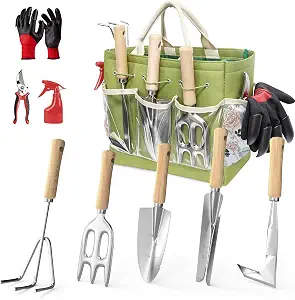
For example, a hand trowel is useful for planting small plants, while a garden spade is better for digging soil. Pruning shears are designed for cutting stems and small branches, while a garden rake is useful for collecting leaves and debris.

Choosing suitable gardening tools can save time, reduce effort, and make regular garden maintenance more convenient.

Essential Gardening Tools

There are many gardening tools available, but some are more useful than others. The following tools are suitable for most home gardeners.

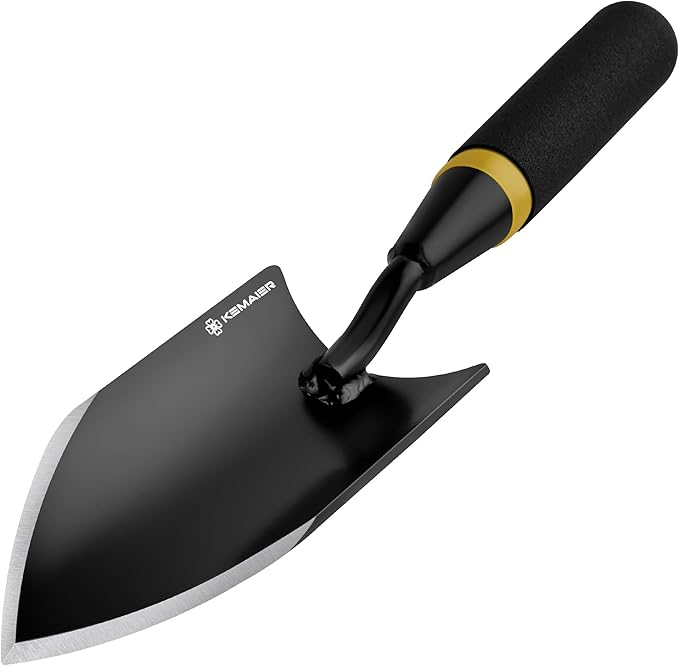
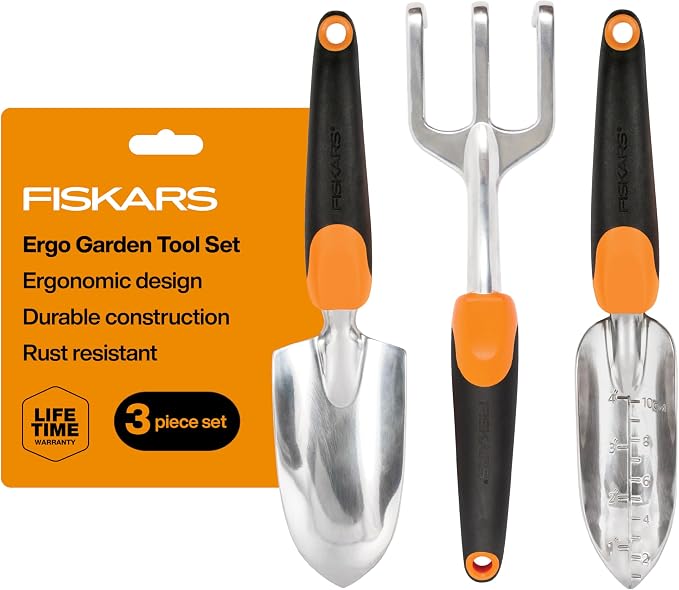
1. Hand Trowel

A hand trowel is one of the most important gardening tools for beginners. It is a small handheld tool with a metal blade and a handle.

A hand trowel is commonly used for planting flowers, vegetables, herbs, and small plants. It is also useful for transferring soil and working with containers and flower pots.

When buying a hand trowel, look for a strong blade and a comfortable handle.

2. Garden Spade

A garden spade is designed for digging, moving, and turning soil. It usually has a flat and strong blade that can help gardeners prepare planting areas.

A spade is useful for creating planting holes, dividing soil, and preparing garden beds. Choose a spade with a durable blade and a strong handle for regular use.

3. Garden Fork

A garden fork is another useful tool for preparing soil. Its strong metal tines can loosen compacted soil and help mix compost or organic material into the ground.

Garden forks can also be useful for lifting plants and removing roots from the soil. They are particularly helpful when preparing larger garden beds.

4. Pruning Shears

Pruning shears are used for cutting stems, small branches, dead flowers, and unwanted plant growth. Regular pruning can help gardeners maintain plants and remove damaged growth.

Choose pruning shears with sharp blades and comfortable handles. Clean the blades after use to help keep them in good condition.

5. Garden Rake

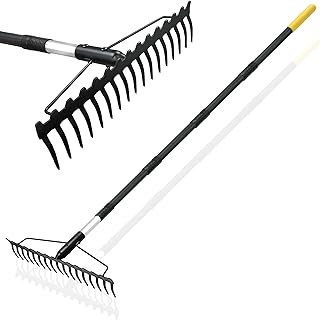
A garden rake is useful for collecting fallen leaves, grass, small branches, and other garden debris. It can also help spread loose material and level the surface of garden beds.

A lightweight rake is suitable for everyday garden cleaning. Choose a stronger rake if you regularly work with heavier garden materials.

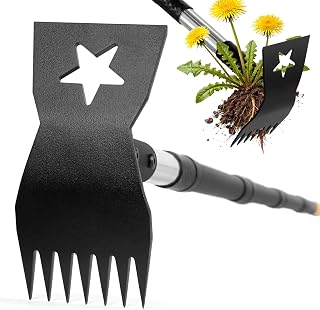
6. Garden Hoe

A garden hoe is commonly used for removing weeds and loosening the top layer of soil. It can also be used to create shallow rows for planting seeds.

A comfortable handle is important because hoeing can sometimes require repeated movement. Choose a size that is suitable for your garden and your height.

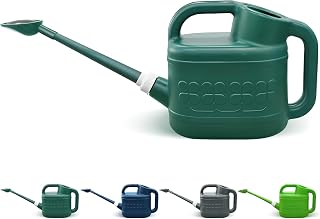
7. Watering Can

Water is essential for healthy plant growth, and a watering can provides an easy way to water plants.

Watering cans are especially useful for indoor plants, flower pots, containers, and small gardens. A model with a suitable nozzle can provide a gentle flow of water without disturbing the soil.

For larger gardens, a garden hose may be more convenient.

8. Garden Gloves

Garden gloves help protect your hands while working with soil, plants, and gardening materials. They can also help keep your hands cleaner during gardening.

Choose gloves that fit comfortably and allow easy finger movement. Good-quality gloves should be suitable for the type of gardening work you normally perform.

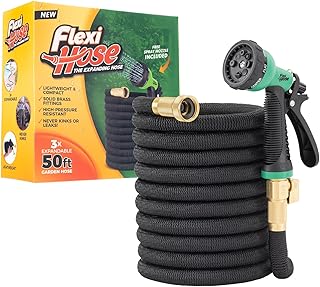
9. Garden Hose

A garden hose is an important tool for watering larger outdoor spaces. It can be used for lawns, flower beds, trees, shrubs, and vegetable gardens.

A hose with an adjustable spray nozzle can provide different water patterns for different plants and cleaning tasks.

Before buying a hose, consider its length and the size of your garden.

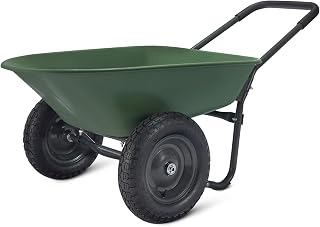
10. Wheelbarrow

A wheelbarrow makes it easier to transport soil, compost, leaves, plants, and other gardening materials.

It is particularly useful for medium and large gardens. A strong frame, comfortable handles, and a durable wheel can make a wheelbarrow easier to use.

How to Choose the Best Gardening Tools

Choosing the right gardening tools depends on your garden size, budget, and gardening activities. Before buying a tool, consider how often you will use it and what type of work it needs to perform.

Look for durable materials and comfortable handles. Tools should not be unnecessarily heavy because uncomfortable equipment can make gardening more difficult.

For beginners, it is better to purchase a few high-quality essential tools instead of buying a large collection of tools that may not be used regularly.

Gardening Tools for Beginners

Beginners do not need complicated equipment. A basic collection can include a hand trowel, garden gloves, pruning shears, garden rake, watering can, and garden spade.

These tools can help with many common tasks such as planting, watering, cleaning, and trimming plants.

As your gardening experience grows, you can add specialized tools such as a garden fork, hoe, hose, and wheelbarrow.

How to Maintain Gardening Tools

Proper maintenance can help gardening tools last longer. Clean your tools after use and remove soil, leaves, and plant material from their surfaces.

Dry metal tools before storing them to reduce the chance of rust. Keep pruning shears and other cutting tools clean and properly maintained.

Wooden handles should also be checked regularly for cracks or damage. Store all gardening tools in a dry and organized location.

Regular maintenance keeps tools ready for your next gardening project and can reduce the need for frequent replacements.

Gardening Tools Safety Tips

Using gardening tools correctly is important for safe gardening. Always check tools before use and make sure they are in good condition.

Keep sharp tools in a safe location when they are not being used. Use gardening gloves when appropriate and follow the instructions provided with specialized equipment.

After finishing your gardening work, clean your tools and return them to their proper storage location.

Why Good Gardening Tools Matter

Good gardening tools can make gardening more comfortable and efficient. The right equipment can help you complete tasks such as digging, planting, watering, pruning, weeding, and cleaning with less effort.

Quality tools can also provide better control and durability. Instead of buying many inexpensive tools, focus on equipment that is suitable for your specific gardening needs.

Conclusion

The right gardening tools can make garden maintenance easier, faster, and more enjoyable. Essential tools such as a hand trowel, garden spade, garden fork, pruning shears, rake, hoe, watering can, gloves, garden hose, and wheelbarrow can help you handle many common gardening tasks.

If you are a beginner, start with a few basic tools and add more equipment as your garden grows. Choose tools that are durable, comfortable, and suitable for your gardening needs.

With proper tool selection, regular maintenance, and safe handling, you can make your gardening routine more productive and enjoyable.

Frequently Asked Questions

What are the most important gardening tools?

The most important gardening tools include a hand trowel, garden spade, garden fork, pruning shears, garden rake, hoe, watering can, gloves, garden hose, and wheelbarrow.

What gardening tools should beginners buy?

Beginners can start with a hand trowel, garden gloves, pruning shears, garden rake, watering can, and garden spade.

How should gardening tools be stored?

Gardening tools should be cleaned, dried, and stored in a dry and organized place. Sharp tools should be stored safely.

How often should gardening tools be cleaned?

It is best to clean gardening tools after use, especially when they have soil, plant material, or moisture on them.

How can I make gardening tools last longer?

Clean and dry your tools after use, maintain cutting blades, check handles for damage, and store the tools in a dry location.

SEE MORE : https://usman.zeerankers.com
Best Gardening 2026

best Gardening 2026

Gardening is a rewarding activity that allows people to connect with nature while making their homes and surroundings more beautiful. A well-maintained garden can provide fresh vegetables, herbs, fruits, colorful flowers, and a peaceful place to relax. You do not need a large yard or expensive equipment to start gardening. With proper planning, suitable plants, healthy soil, and regular care, anyone can create a beautiful and productive garden.

What Is Gardening?

Gardening is the process of growing and caring for plants. It includes preparing the soil, planting seeds or seedlings, watering plants, removing weeds, adding nutrients, and protecting plants from pests and diseases.

Gardening can be done in many different places, including backyards, balconies, rooftops, patios, containers, and small indoor spaces. The type of gardening you choose depends on your available space, climate, sunlight, and personal interests.

There are several common types of gardening. Vegetable gardening focuses on growing vegetables such as tomatoes, carrots, spinach, peppers, and cucumbers. Flower gardening is mainly used to grow beautiful flowers such as roses, marigolds, and petunias. Herb gardening involves growing useful herbs such as mint, basil, coriander, and parsley.

Benefits of Gardening

Gardening offers many benefits for individuals, homes, and the environment. One of the most useful benefits is having access to fresh vegetables and herbs. Growing some of your own food can provide fresh ingredients for everyday meals.

A garden can also improve the appearance of your home. Green plants, colorful flowers, and trees can create a pleasant and attractive outdoor environment. Plants can also provide shade and support local wildlife.

Gardening is also a good way to stay active. Digging, planting, watering, pruning, and removing weeds involve regular movement and outdoor activity.

Another benefit is that gardening can be a relaxing hobby. Watching plants grow and caring for them can be satisfying and enjoyable. Gardening can also teach children about nature, patience, responsibility, and the process of growing food.

Choosing the Right Location for Your Garden

Choosing the right location is one of the first steps toward successful gardening. Most plants need sunlight, water, air, and healthy soil to grow properly.

Before creating a garden, observe the available space and determine how much sunlight it receives throughout the day. Many vegetables and flowering plants require several hours of sunlight, while some plants grow better in partial shade.

Good drainage is equally important. Water should not remain around plant roots for long periods because excessive moisture can cause root problems. If your soil does not drain properly, you can improve it with suitable organic material or consider using raised beds and containers.

Preparing Healthy Soil

Healthy soil provides plants with the nutrients and support they need for strong growth. Before planting, remove stones, weeds, and other unwanted material from the garden area. Loosen the soil with an appropriate garden tool so that plant roots can grow more easily.

Adding compost or other suitable organic matter can improve soil structure and provide nutrients. Good soil preparation can help plants develop stronger roots and grow more successfully.

Avoid using excessive fertilizer. Too much fertilizer may damage plants and negatively affect soil quality. It is better to understand the needs of your plants and provide nutrients according to those requirements.

Selecting the Right Plants

Choosing suitable plants is another important part of gardening. Beginners should start with plants that are easy to grow and suitable for their local climate.

Vegetables such as tomatoes, leafy greens, radishes, and some herbs can be suitable choices for a home garden. Flowers can also add beauty and color to outdoor spaces.

When selecting plants, consider their sunlight, water, soil, temperature, and seasonal requirements. Choosing plants that match your garden conditions can make maintenance easier and improve the chances of healthy growth.

It is usually better to start with a small number of plants rather than trying to grow too many varieties at once. A small garden is easier to manage and allows beginners to develop their gardening skills.

How to Water Plants Properly

Water is essential for healthy plant growth, but overwatering can be just as harmful as underwatering. The amount of water a plant needs depends on its type, soil, weather, and growing conditions.

Before watering, check the soil. If the soil feels dry, the plant may need water. Water should generally be applied near the base of the plant so moisture can reach the roots effectively.

Watering in the morning can be useful because plants have time to absorb moisture during the day. Avoid wasting water by watering only when necessary and using efficient watering methods.

Controlling Weeds in the Garden

Weeds can compete with garden plants for water, nutrients, sunlight, and growing space. Regularly checking your garden can prevent weeds from becoming a major problem.

Small weeds can often be removed by hand or with suitable gardening tools. Mulching around plants can also help reduce weed growth while helping the soil retain moisture.

When removing weeds, work carefully to avoid damaging the roots of nearby plants. Regular maintenance is usually easier than allowing weeds to grow for a long time.

Protecting Plants From Pests and Diseases

Garden plants can sometimes be affected by insects, pests, and diseases. Regularly inspecting leaves, stems, and flowers can help you notice problems early.

Healthy soil, proper watering, suitable spacing, and good garden hygiene can support healthier plants. Remove damaged or diseased plant material when appropriate and keep the garden area clean.

If a serious pest problem develops, first identify the problem before selecting a treatment. Choosing the least harmful suitable method can help protect beneficial insects and the surrounding environment.

Essential Gardening Tools

Having the right gardening tools can make garden maintenance easier. Beginners do not need a large collection of equipment. A few basic tools are often enough to get started.

Useful gardening tools include:

  • Hand trowel
  • Garden gloves
  • Watering can
  • Pruning shears
  • Garden rake
  • Garden fork
  • Small shovel
  • Plant containers

Keep gardening tools clean and store them safely after use. Clean tools can help reduce the spread of some plant diseases. Sharp tools should always be handled carefully.

Sustainable Gardening Practices

Sustainable gardening focuses on growing plants while reducing waste and protecting natural resources. Simple practices can make a garden more environmentally friendly.

Composting suitable kitchen and garden waste can create useful organic material for the soil. Using water efficiently can also help reduce unnecessary water consumption.

Growing a variety of flowers and plants can provide food and shelter for beneficial insects. Avoiding unnecessary chemical treatments and using environmentally friendly gardening methods can help maintain a healthier garden ecosystem.

Gardening in Small Spaces

You do not need a large backyard to enjoy gardening. Container gardening is an excellent option for balconies, rooftops, patios, and other small spaces.

Containers can be used to grow herbs, flowers, vegetables, and some fruit plants. Make sure containers have suitable drainage and provide plants with an appropriate growing medium.

Vertical gardening is another useful option for small areas. Shelves, trellises, and other suitable structures can help gardeners grow plants upward and make better use of limited space.

Tips for Beginner Gardeners

If you are new to gardening, start slowly and learn as you go. Choose a few easy-to-grow plants and focus on understanding their basic needs.

Here are some useful gardening tips:

  1. Choose plants that suit your local climate.
  2. Provide plants with suitable sunlight.
  3. Use healthy, well-prepared soil.
  4. Avoid overwatering plants.
  5. Remove weeds regularly.
  6. Check plants for pests and diseases.
  7. Use compost when appropriate.
  8. Keep gardening tools clean.
  9. Start with a small garden.
  10. Be patient and give plants time to grow.

Conclusion

Gardening is a rewarding hobby that can make your home more beautiful while providing fresh vegetables, herbs, flowers, and other plants. Successful gardening requires proper planning, healthy soil, suitable plants, adequate sunlight, appropriate watering, and regular maintenance.

Whether you have a large backyard, a small patio, a rooftop, or a balcony, you can start a garden with just a few plants. With patience, consistent care, and basic gardening knowledge, even a small space can become a beautiful and productive garden.

Gardening is not only about growing plants; it is also about learning, caring for nature, and enjoying the results of your hard work.

SEE MORE :https://usman.zeerankers.com
Best Window Cleaning kits 2026

Best Window cleaning Kits 2026

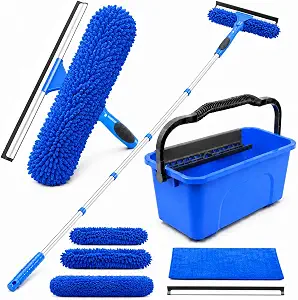
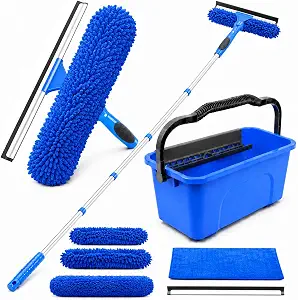
Clean windows can make a home, office, or vehicle look brighter and more attractive. However, getting clear and streak-free windows requires the right tools. The best window cleaning kits 2026 can make this job easier by bringing several useful cleaning tools together in one package.

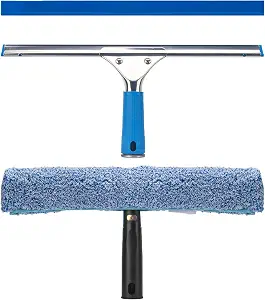
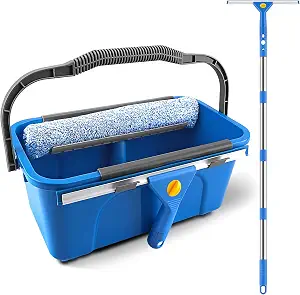
A good window cleaning kit may include a squeegee, microfiber scrubber, cleaning cloths, bucket, spray bottle, cleaning solution, and extension pole. Choosing the right kit depends on the size of your windows, how often you clean them, and whether you need to reach high or difficult areas.

Best Window Cleaning Kits 2026

The Best Window Cleaning Kits 2026 can make window cleaning easier, faster, and more effective. The right kit can help remove dust, dirt, water spots, and streaks while leaving your windows clean and clear. In this guide, we’ll explore useful window cleaning kits and the key features to consider before choosing one.

What Is a Window Cleaning Kit?

A window cleaning kit is a collection of tools designed specifically for cleaning glass surfaces. Instead of buying every tool separately, a complete kit gives you the basic equipment needed to wash, wipe, and dry windows.

Basic kits are suitable for homeowners who clean their windows occasionally. More advanced kits can be useful for people who clean large windows or perform window cleaning regularly.

The main purpose of a window cleaning kit is to make cleaning faster, easier, and more organized.

Why Do You Need a Window Cleaning Kit?

Cleaning windows with household towels or unsuitable tools can leave streaks and make the process take longer. A proper window cleaning kit provides tools designed for glass surfaces.

Some important benefits include:

  • Easier removal of dust and dirt
  • Faster window cleaning
  • Better water removal
  • Better water removal
  • Easier cleaning of large glass surfaces
  • Better access to high windows
  • Convenient storage of cleaning tools

A complete kit can also save you from purchasing individual tools separately.
Best Window Cleaning Kits 2026: Important Features

When choosing the best window cleaning kits 2026, it is important to check what tools are included and whether they are durable and comfortable to use.

1. Quality Squeegee

A squeegee is one of the most important tools in a window cleaning kit. It removes water and cleaning solution from the glass after washing.
Look for a squeegee with a comfortable handle and a good-quality rubber blade. A smooth and flexible blade can help remove water more effectively.

If the rubber becomes damaged or worn, replacing it can help maintain better cleaning performance.

2. Microfiber Scrubber

A microfiber scrubber or washer is used to loosen dirt before the squeegee is used. Microfiber material can absorb water and collect dirt effectively.

A washable microfiber sleeve is a useful choice because it can be cleaned and reused. This can make the kit more economical over time.

3. Extension Pole

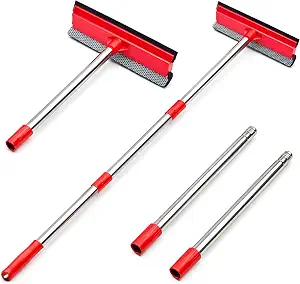
An extension pole is especially useful for high or difficult-to-reach windows. Instead of stretching to reach a high surface, you can attach a suitable cleaning tool to the pole.

When choosing an extension pole, check its length, weight, grip, and attachment system. The pole should be comfortable and secure during use.

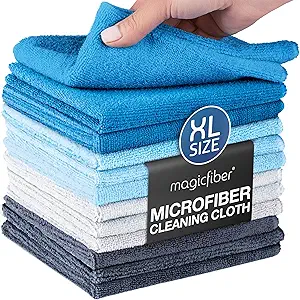
4. Microfiber Cleaning Cloths

Microfiber cloths are useful for drying window edges and cleaning frames. They can also help remove small amounts of moisture left after using the squeegee.

It is a good idea to keep separate clean cloths available for finishing and detailing.

5. Bucket and Cleaning Solution

A bucket makes it easier to prepare and carry your cleaning solution. Choose a bucket that is strong and easy to carry.

Some window cleaning kits also include a cleaning solution or spray bottle. If your kit does not include one, use a cleaning product that is suitable for the glass surface you are cleaning.

How to Choose the Best Window Cleaning Kit

The best window cleaning kit for you depends on your individual needs.

If you have small windows that are easy to reach, a basic kit with a squeegee, scrubber, cloths, and bucket may be enough.

For large windows, consider a kit with a wider squeegee and a larger microfiber scrubber. These tools can make cleaning larger surfaces more convenient.

If you have high windows, choose a kit with an appropriate extension pole. Make sure the pole and cleaning attachment connect securely.

For frequent cleaning, look for durable tools with washable microfiber components and replaceable squeegee blades.

Manual vs. Electric Window Cleaning Tools

Manual window cleaning kits are still a popular choice because they are simple, affordable, and easy to use. A traditional kit does not require batteries or charging and can be used whenever you need it.

Electric and robotic window-cleaning devices offer a more automated approach. These products can be useful for certain types of glass surfaces, but they may cost more than a traditional cleaning kit.

For most homeowners, a good manual window cleaning kit can provide the essential tools needed for regular cleaning.

How to Use a Window Cleaning Kit

Using a window cleaning kit correctly can help produce better results.

First, remove loose dust and dirt from the window and surrounding frame. Next, wet the microfiber scrubber with your chosen cleaning solution and gently clean the glass.

After washing the surface, use the squeegee to remove water. Keep the squeegee blade in good contact with the glass and wipe the blade when necessary.

After finishing, use a clean microfiber cloth to dry the edges and remove remaining moisture.

If you are cleaning high windows, use an appropriate extension pole and avoid overreaching.

Common Window Cleaning Mistakes

Even the best window cleaning kits 2026 may not provide good results if they are used incorrectly.

Some common mistakes include:

  • Using dirty cleaning cloths
  • Using a damaged squeegee blade
  • Applying too much cleaning solution
  • Leaving water around the edges
  • Using rough materials that may scratch glass
  • Not cleaning the microfiber scrubber regularly
  • Using an unsecured extension pole

Keeping your cleaning equipment clean and replacing worn parts can help you achieve more consistent results.

Best Window Cleaning Kit for Homeowners

For most homeowners, a simple and reliable kit is usually enough. A good starter kit should contain a squeegee, microfiber scrubber, microfiber cloths, and a bucket.

If your home has high windows, an extension pole can be a valuable addition. If you clean windows frequently, choose durable tools that can withstand repeated use.

The most expensive kit is not always the best option. Instead, focus on the quality, usefulness, durability, and comfort of the tools included.

Final Thoughts

The best window cleaning kits 2026 can make window cleaning easier, faster, and more convenient. A quality squeegee, microfiber scrubber, cleaning cloths, bucket, and extension pole can provide the essential tools for many household cleaning tasks.

Before purchasing a kit, think about your window size, window height, cleaning frequency, and budget. Choosing a kit that matches your needs can help you maintain cleaner and clearer windows throughout the year.

Frequently Asked Questions

What should a good window cleaning kit include?

A good kit can include a squeegee, microfiber scrubber, microfiber cloths, bucket, cleaning solution, and extension pole.

What is the best window cleaning kit for home use?

For general home use, a basic kit containing a squeegee, scrubber, microfiber cloths, and bucket is usually sufficient. High windows may require an extension pole.

Are microfiber cloths good for cleaning windows?

Yes. Microfiber cloths are useful for removing moisture, cleaning edges, and finishing glass surfaces after washing.

Is a window cleaning extension pole useful?

Yes. An extension pole can make it easier to reach high windows without excessive stretching. Always ensure the attachment is secure before cleaning.

How often should I clean my windows?

Cleaning frequency depends on your environment and how quickly your windows become dirty. Regular cleaning several times a year can help maintain a clean appearance.

Are expensive window cleaning kits better?

Not necessarily. A more expensive kit may include additional features, but the best choice is the one that provides durable and useful tools for your specific cleaning needs.Best Home Cleaning Kits 2026

See More :Best Cars Cleaning Kits in 2026

Best Home Cleaning Kits 2026

Home Cleaning kits

Keeping your home clean can be much easier when you have the right tools in one place. The best home cleaning kits 2026 can help you manage everyday dust, dirt, stains, kitchen messes, bathroom buildup, and floor cleaning without needing dozens of separate products.

A good home cleaning kit usually combines essential tools such as microfiber cloths, cleaning brushes, sponges, mops, dusters, spray bottles, and scrubbing pads. Some advanced cleaning setups may also include electric scrubbers, steam mops, cordless vacuums, or vacuum-and-mop machines.

The right kit depends on your home, the surfaces you need to clean, how often you clean, and your budget. Instead of choosing a kit simply because it contains many items, focus on the tools you will actually use.

What Is a Home Cleaning Kit?

A home cleaning kit is a collection of tools and supplies designed to make household cleaning easier and more organized. Rather than purchasing every cleaning tool separately, you can choose a kit that contains several essential items.

A typical cleaning kit may include:

  • Microfiber cleaning cloths
  • Floor mop
  • Bucket
  • Cleaning brushes
  • Sponges
  • Dusting tools
  • Spray bottles
  • Scrubbing pads
  • Cleaning gloves
  • Small detail brushes
  • Vacuum or electric cleaning tools

The contents can vary depending on the type of kit. A basic kit may be suitable for everyday cleaning, while a deep-cleaning kit may contain additional brushes and specialized tools for kitchens, bathrooms, windows, floors, and furniture.

What to Look for in the Best Home Cleaning Kits 2026

Before buying a cleaning kit, consider the quality, usefulness, durability, and storage requirements of the included tools.

1.Microfiber Cleaning Cloths

Microfiber cloths are among the most useful cleaning accessories for a home. They can be used for dusting, wiping tables, cleaning appliances, removing fingerprints, and maintaining many suitable surfaces.

One advantage of microfiber cloths is that many are washable and reusable. This makes them convenient for regular cleaning because you can wash them after use instead of constantly replacing disposable wipes.

A good cleaning kit should ideally contain several cloths. Using separate cloths for different cleaning areas can also make your cleaning routine more organized.

2. A Quality Floor Mop

A reliable mop is important for maintaining hard floors. Depending on your floor type, you may consider a spray mop, spin mop, microfiber mop, or another suitable design.

Spray mops can be convenient for quick cleaning, while spin mops can make wringing easier. Steam mops may also be useful for certain hard surfaces, but you should always check the manufacturer’s instructions before using steam on a particular floor.

The best option is the mop that matches your flooring and your normal cleaning routine.

3. Cleaning Brushes

Cleaning brushes are useful when a cloth or sponge cannot remove stubborn dirt. Different brush sizes can help you clean sinks, grout, corners, bathroom surfaces, and other difficult areas.

A kit containing both small and medium-sized brushes can be more versatile. Small brushes are useful for narrow spaces, while larger brushes can cover wider areas more efficiently.

Choose brushes with comfortable handles and durable bristles so they can withstand regular use.

4. A Useful Duster

Dust can accumulate on shelves, furniture, ceiling fans, vents, baseboards, and other areas. A good duster can make these jobs easier.

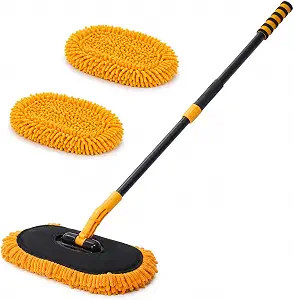
An extendable duster can be particularly useful for reaching higher areas. Washable microfiber dusters are also convenient because the cleaning head can often be reused.

When choosing a duster, look for one that is easy to store and comfortable to handle.

5. Vacuum or Advanced Cleaning Tools

A vacuum cleaner can make it easier to remove dust, crumbs, hair, and other loose debris from floors and furniture.

For people who want a more advanced cleaning setup, cordless vacuums, robot cleaners, steam mops, electric scrubbers, and vacuum-and-mop machines are additional options to consider.

Vacuum-and-mop systems can be useful for suitable hard floors because they combine more than one cleaning function. However, advanced equipment usually costs more than a basic cleaning kit, so consider whether the extra features are useful for your home.

Best Home Cleaning Kits for Different Needs

There is no single cleaning kit that is perfect for every household. Your ideal kit depends on the size of your home and the type of cleaning you normally do.

Best Basic Cleaning Kit

A basic cleaning kit is a good choice for everyday household maintenance. It can include microfiber cloths, a mop, bucket, sponge, duster, brushes, and spray bottles.

This setup can handle common tasks such as dusting furniture, wiping countertops, cleaning bathrooms, and maintaining hard floors.

Best Deep Cleaning Kit

If you regularly perform deep cleaning, look for a more complete kit with multiple brush sizes, scrubbing pads, microfiber cloths, and specialized cleaning tools.

An electric scrubber may also be useful for certain suitable surfaces because it can provide additional scrubbing assistance. Always follow the manufacturer’s instructions when using powered cleaning equipment.

Best Cleaning Kit for Small Homes

People living in apartments or smaller homes may prefer a compact cleaning kit. A lightweight mop, microfiber cloths, small brushes, duster, and basic cleaning supplies can provide useful coverage without taking up too much storage space.

Compact tools are especially useful when storage space is limited.

Best Cleaning Kit for Large Homes

Large homes may require more cleaning equipment because there are more rooms and surfaces to maintain.

A larger setup may include a vacuum cleaner, mop, bucket, microfiber cloths, dusters, brushes, and additional tools for kitchens and bathrooms.

Keeping these supplies organized in one storage area can make regular cleaning more convenient.

Why Invest in a Good Home Cleaning Kit?

A good cleaning kit can make household cleaning more organized and convenient. When your essential tools are stored together, you spend less time looking for individual items.

A well-chosen kit can help you:

  • Save time during cleaning
  • Keep supplies organized
  • Reduce unnecessary purchases
  • Maintain floors and furniture

You do not necessarily need an expensive kit. In many cases, a simple collection of durable and useful tools can handle most everyday cleaning tasks.

How to Use Your Cleaning Kit Effectively

Having good tools is only part of an effective cleaning routine. Using them in the right order can make cleaning more efficient.

A simple routine can include these steps:

  1. Remove clutter from the area.
  2. Dust higher surfaces and furniture.
  3. Wipe tables, counters, and other surfaces.
  4. Clean the kitchen and bathroom areas.
  5. Vacuum or sweep floors.
  6. Mop suitable hard floors.
  7. Clean and store reusable tools.

It is also important to clean microfiber cloths, mop heads, and brushes regularly. Dirty tools can make cleaning less effective and may spread dirt between surfaces.

For better organization, consider keeping frequently used tools together so they are easy to access whenever you need them.

Important Cleaning Safety Tips

Cleaning products and equipment should always be used according to the manufacturer’s instructions.

Different surfaces require different cleaning methods. A product that is suitable for one material may not be appropriate for another. Always check the label before applying a cleaner to a new surface.

Never mix cleaning chemicals unless the manufacturer specifically states that they can be used together. Some combinations can create dangerous fumes or other hazards.

Keep cleaning products and equipment stored safely and away from young children and pets. When using cleaning products, follow the recommended instructions and use appropriate protective equipment when required.

How to Choose the Right Cleaning Kit

Before purchasing a home cleaning kit, ask yourself a few simple questions:

What areas do I clean most often?
If you mainly clean floors and furniture, prioritize a good mop, microfiber cloths, and duster.

How large is my home?
A small apartment may only require a compact kit, while a large house may benefit from additional equipment.

Do I need basic or advanced tools?
For everyday cleaning, basic tools are often enough. Advanced devices can be useful when you want additional convenience.

How much storage space do I have?
Choose compact and easy-to-store tools if your storage space is limited.

Will I use every item in the kit?
A large number of accessories does not necessarily mean better value. Choose a kit containing tools that match your actual cleaning needs.

Final Thoughts

The best home cleaning kits 2026 are not necessarily the kits with the largest number of accessories. The best choice is the one that provides the right tools for your home, cleaning routine, surfaces, and budget.

For everyday cleaning, microfiber cloths, a quality mop, cleaning brushes, a duster, sponges, and basic cleaning supplies can provide a strong foundation. If you need additional convenience, you can consider a vacuum cleaner, electric scrubber, steam mop, or vacuum-and-mop system.

Before buying, compare the quality, durability, included tools, storage requirements, and surface compatibility. Choosing practical tools that you will use regularly can make household cleaning easier and more organized throughout 2026.

Frequently Asked Questions

What should a home cleaning kit contain?

A useful home cleaning kit should contain basic tools such as microfiber cloths, a mop, cleaning brushes, sponges, a duster, and other suitable cleaning accessories. Advanced kits may include powered cleaning equipment.

What is the best cleaning kit for everyday use?

For everyday household cleaning, a kit containing microfiber cloths, a mop, duster, brushes, sponges, and basic cleaning supplies can be a practical choice.

Are microfiber cloths good for home cleaning?

Yes. Microfiber cloths can be useful for dusting, wiping, and cleaning many suitable household surfaces. Many are washable and reusable, making them convenient for regular cleaning.

Should I buy a large or small cleaning kit?

Choose the size according to your home and cleaning requirements. A compact kit can work well for a small apartment, while a larger home may benefit from additional tools.

How often should cleaning tools be washed?

Reusable cleaning tools such as microfiber cloths and mop heads should be cleaned regularly according to their care instructions. The frequency depends on how often they are used and how dirty they become.

See More Post:Best Cars Cleaning Kits in 2026


Best Cars Cleaning Kits in 2026

Cars cleaning kits

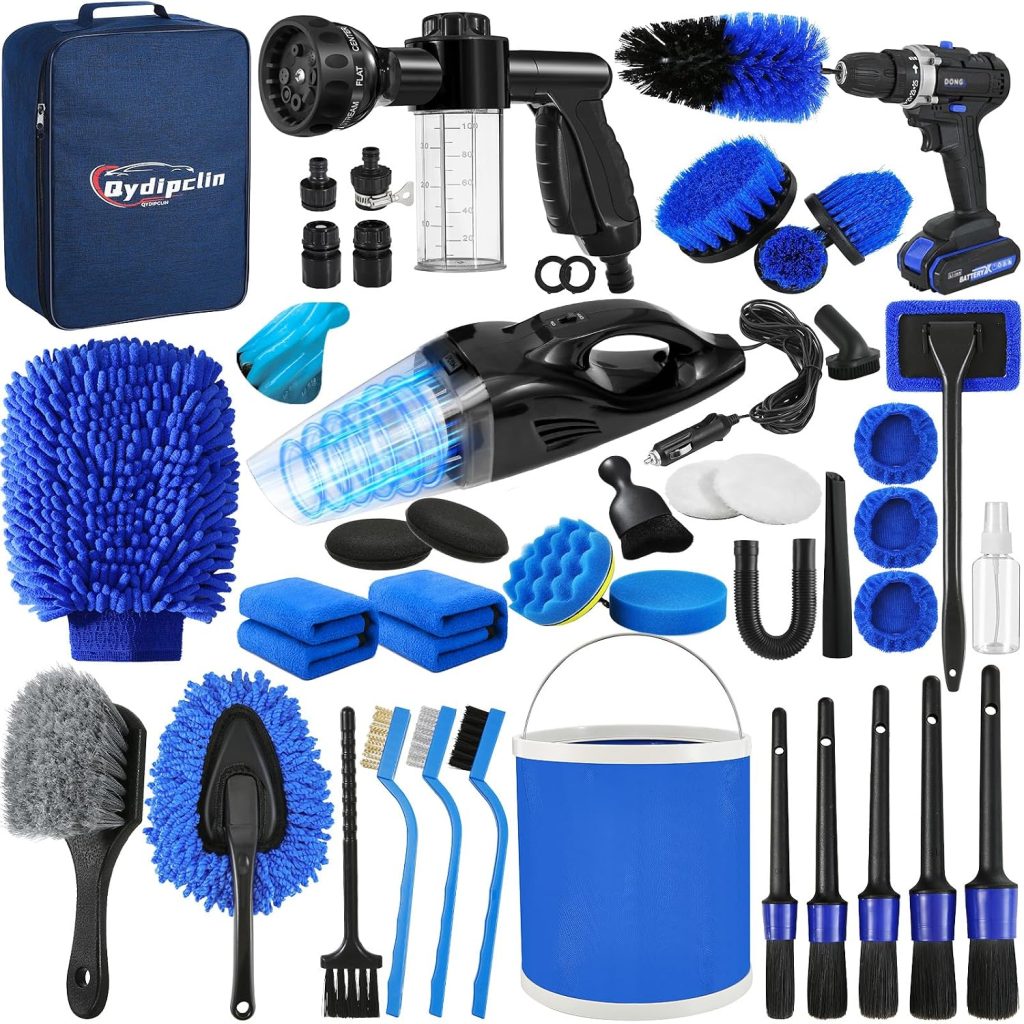
Keeping your car clean is an important part of vehicle maintenance. The best car cleaning kits can help you remove dust, dirt, stains, and road grime from both the interior and exterior of your vehicle. With the right tools and cleaning products, you can keep your car looking clean, fresh, and well-maintained.

A good car cleaning kit may include car shampoo, microfiber towels, washing mitts, detailing brushes, glass cleaner, tire cleaner, and interior cleaning products. Choosing the right kit can save time, reduce effort, and make your regular car-cleaning routine easier.

What Are Car Cleaning Kits?

Car cleaning kits are collections of cleaning tools and products designed specifically for vehicles. Instead of purchasing each cleaning product separately, you can choose a kit that includes several essential items in one package.

Some kits are designed for basic exterior cleaning, while others include products for the interior, tires, windows, wheels, and other vehicle surfaces. The right kit depends on your car’s cleaning needs and how often you clean your vehicle.

Why Are the Best Car Cleaning Kits Important?

Regular car cleaning helps maintain the appearance of your vehicle. Dust, mud, road grime, and other contaminants can build up over time and make your car look dirty and dull.

The best car cleaning kits provide useful tools for cleaning different parts of your vehicle properly. Using suitable automotive products can also help reduce the risk of unwanted marks or damage caused by inappropriate cleaning materials.

A complete kit can also be more convenient than buying individual products. Having everything together makes it easier to create a simple and consistent car-cleaning routine.

Essential Items in the Best Car Cleaning Kits

A quality car cleaning kit should contain several useful tools and products. The contents can vary, but the following items are commonly useful.

1. Car Shampoo

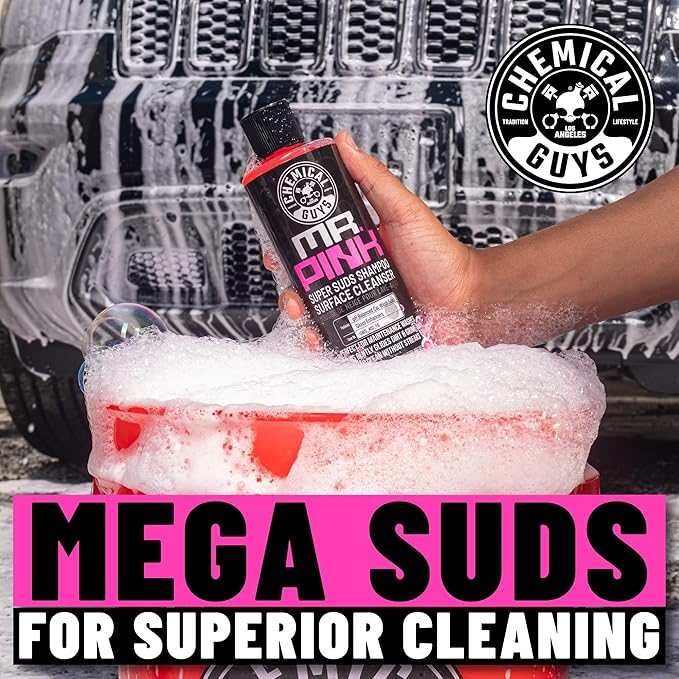
Car shampoo is one of the most important products in a car cleaning kit. It is designed to remove dirt and grime from the exterior of a vehicle.

When choosing car shampoo, select a product specifically made for automotive surfaces and follow the manufacturer’s instructions. Using the right shampoo can make the washing process easier and more effective.

2. Microfiber Towels

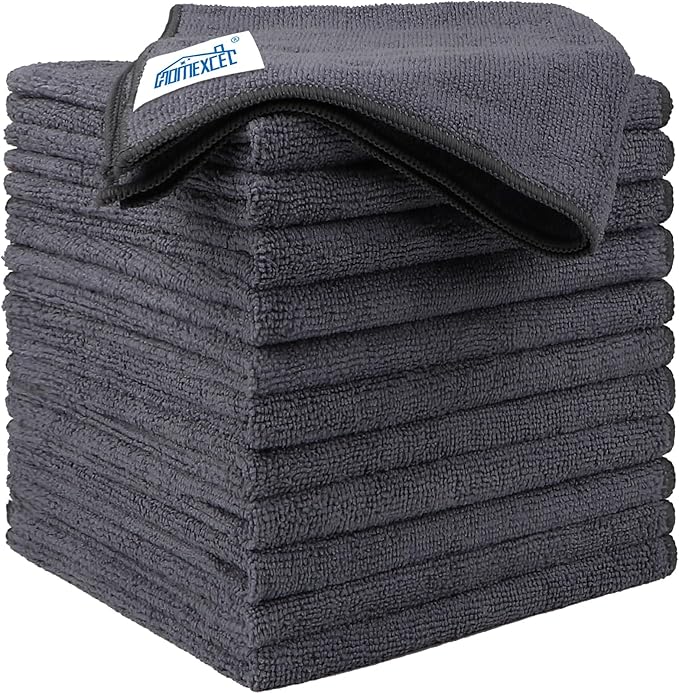
Microfiber towels are essential for car cleaning. They can be used for drying, wiping, cleaning windows, and applying certain cleaning products.

It is a good idea to keep separate microfiber towels for different areas, such as the wheels, interior, glass, and painted surfaces. Clean towels can help reduce the chance of transferring dirt between different parts of the car.

3. Washing Mitt

A washing mitt makes exterior car cleaning easier. It allows you to apply car shampoo and remove dirt from the vehicle’s surface.

Choose a soft washing mitt that is easy to rinse. Rinsing the mitt regularly during washing can help reduce the chance of moving dirt across the vehicle’s surface.

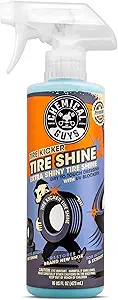
4. Wheel and Tire Cleaner

Wheels and tires can collect brake dust, mud, and road grime. A suitable wheel and tire cleaner can make these areas easier to clean.

Always check that the product is suitable for your specific wheel finish and follow the manufacturer’s instructions.

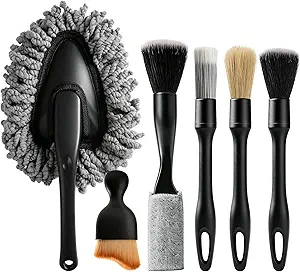
5. . Detailing Brushes

Detailing brushes are useful for cleaning small or difficult-to-reach areas. They can help clean air vents, dashboard edges, buttons, wheel details, gaps, and other areas.

Different brush sizes can be useful for different parts of the vehicle.

6. Glass Cleaner

Clean windows and mirrors are important for both appearance and visibility. An automotive glass cleaner can help remove dust, fingerprints, and other marks from glass surfaces.

Use a clean microfiber towel with the glass cleaner for a clear and streak-free finish.

See Morehttps://www.amazon.com/s?k=cars+cleaning+kits&crid=8QG3WGIIH3GH&sprefix=cars+cleaning+kit%2Caps%2C452&ref=nb_sb_noss_1

Best Car Cleaning Kits for Interior Cleaning

Cleaning the interior requires different products from those used on the exterior. Some of the best car cleaning kits include products for dashboards, plastic surfaces, carpets, upholstery, and other interior areas.

Dashboard and Plastic Cleaner

Dashboard and plastic surfaces can quickly collect dust. A suitable interior cleaner can help remove dirt and keep these surfaces looking clean.

Always check the product label to make sure it is suitable for the material you are cleaning.

Upholstery Cleaner

Car seats and carpets can collect dirt and develop stains over time. An upholstery cleaner can help remove common dirt and stains from fabric surfaces.

For leather seats, choose a cleaner specifically designed for automotive leather instead of using a general fabric cleaner.

Interior Detailing Brush

Small detailing brushes can help clean air vents, switches, cup holders, door handles, and other areas where dust and dirt can accumulate.

How to Choose the Best Car Cleaning Kit

With many options available, choosing the best car cleaning kit can sometimes be confusing. Consider the following factors before buying a kit.

Quality of Products

Choose cleaning products that are specifically designed for automotive use. Read the product instructions carefully and check whether the products are suitable for your vehicle’s surfaces.

Number of Items

A kit with more items is not always better. Choose a kit that contains the products you actually need for your cleaning routine.

Microfiber Quality

Good-quality microfiber towels are useful for many cleaning tasks. Consider keeping separate towels for different surfaces to help prevent dirt from being transferred between areas.

Ease of Use

Choose products that are easy to apply, rinse, and store. A practical kit can make regular car cleaning simpler and more convenient.

Storage

Some car cleaning kits include a storage bag or box. This can help keep all your cleaning tools organized and make them easier to carry.

How to Use a Car Cleaning Kit

Before cleaning your vehicle, park it in a suitable place away from direct sunlight, if possible. Start by removing loose dirt and dust from the exterior.

Next, wash the car using automotive shampoo and a suitable washing mitt. Clean the vehicle carefully and rinse the mitt regularly.

Clean the wheels and tires with appropriate products and brushes. After washing the vehicle, rinse it thoroughly and dry it using clean microfiber towels.

For the interior, remove rubbish and loose dust first. Then clean the dashboard, doors, seats, carpets, and other surfaces using suitable products.

Finally, clean the windows and mirrors with an automotive glass cleaner and a clean microfiber towel.

Common Car Cleaning Mistakes to Avoid

Using unsuitable household cleaning products on automotive surfaces is a common mistake. Some household products may not be designed for vehicle materials, so always check the product instructions before use.

Another common mistake is using dirty towels or washing mitts. Dirt trapped in cleaning materials can leave unwanted marks on painted surfaces.

It is also important to avoid using the same towel for wheels and painted body panels. Wheels can contain dirt and brake dust that you do not want to transfer to the vehicle’s paint.

Benefits of Using the Best Car Cleaning Kits

Regular cleaning helps maintain the appearance of your vehicle and keeps the interior more comfortable.

The best car cleaning kits can make the cleaning process easier because they provide several useful products in one package. With the right equipment, you can clean different parts of your vehicle without purchasing every item separately.

Regular cleaning can also help you notice issues such as scratches, damaged trim, stains, or other problems that may need attention.

Frequently Asked Questions

How often should I clean my car?

The ideal cleaning schedule depends on how often you drive and the conditions your vehicle is exposed to. Regular cleaning can help prevent dirt and grime from building up.

What should a good car cleaning kit include?

A good kit may include car shampoo, microfiber towels, a washing mitt, wheel and tire cleaner, detailing brushes, glass cleaner, and interior cleaning products.

Are microfiber towels good for car cleaning?

Yes. Microfiber towels are useful for drying, wiping, cleaning glass, and other car-cleaning tasks. Use clean towels and keep separate towels for different areas.

Can I use household cleaners on my car?

It is better to use products specifically designed for automotive surfaces. Always check the manufacturer’s instructions before applying a cleaning product to your vehicle.

Conclusion

The best car cleaning kits contain useful tools and products that make vehicle cleaning easier and more convenient. A quality kit may include car shampoo, microfiber towels, a washing mitt, wheel cleaner, detailing brushes, glass cleaner, and interior cleaning products.

When choosing a kit, consider product quality, the number of useful items, ease of use, microfiber quality, and storage options. Most importantly, choose products that are suitable for your vehicle’s surfaces.

With the right car cleaning kit and a simple cleaning routine, keeping your vehicle clean can become an easy and enjoyable part of car ownership.

see more post:Best History of the old Cars 1980

The Origin of Hospitals 2026 beautiful

Introduction

Hospitals are among the most important institutions in modern society. They provide medical care, save lives, and promote public health. Today, hospitals are equipped with advanced technology, trained doctors, nurses, laboratories, and emergency services. However, hospitals did not always look like they do today. The history goes back thousands of years to ancient civilizations, where people received treatment in temples, healing centers, and military camps. Over time, developed into organized institutions that offered professional medical care to everyone. The evolution of reflects humanity’s continuous efforts to improve health, reduce suffering, and increase life expectancy.

hospitals

Early Healing Centers

In Ancient Egypt, temples served as places where the sick could receive care. Egyptian physicians were highly skilled in treating wounds, broken bones, and various diseases. They also recorded medical knowledge on papyrus scrolls, which became some of the world’s earliest medical documents.

In Mesopotamia, medical treatment combined herbal medicine with religious rituals. Doctors carefully observed patients and used their knowledge to diagnose illnesses. Although medical science was still developing, these early civilizations laid the foundation for future healthcare systems.

Hospitals in Ancient India

Ancient India made significant contributions to the development of hospitals and medicine. Around the 3rd century BCE, during the reign of Emperor Ashoka, hospitals were established to provide treatment for both humans and animals. Ashoka believed that healthcare was the responsibility of the state and encouraged the construction of medical centers throughout his empire.

Indian physicians became experts in surgery, herbal medicine, and disease prevention. Medical knowledge was recorded in important texts such as the Charaka Samhita and the Sushruta Samhita, which described surgical techniques, medicines, and methods of patient care. These texts influenced medical practice for centuries.

Hospitals in Ancient Greece

The ancient Greeks greatly advanced medical science. Around 500 BCE, healing centers known as Asclepieia were built in honor of Asclepius, the Greek god of medicine. These centers welcomed patients seeking treatment for various illnesses.

Greek physicians emphasized careful observation and diagnosis rather than relying only on religious beliefs. The famous physician Hippocrates, often called the Father of Medicine, introduced the idea that diseases have natural causes rather than supernatural ones. His teachings encouraged doctors to study symptoms carefully and treat patients using scientific methods.

Hospitals in Ancient Rome

The Romans further improved healthcare by establishing hospitals for soldiers. Around 100 BCE, they built military hospitals called Valetudinaria inside army camps. These hospitals provided treatment for wounded soldiers and helped them recover quickly so they could return to military service.

Roman engineers also improved sanitation by constructing aqueducts, sewage systems, and public baths. Clean water and better hygiene reduced the spread of diseases and improved public health. Although civilian hospitals were still uncommon, Roman medical practices contributed significantly to healthcare development.

The Rise of Hospitals During the Islamic Golden Age

One of the greatest milestones in hospital history occurred during the Islamic Golden Age, between the 8th and 10th centuries CE. Muslim scholars and rulers established advanced hospitals known as Bimaristans in cities such as Baghdad, Damascus, Cairo, and Cordoba.

These hospitals were among the first institutions to resemble modern hospitals. They provided free treatment regardless of religion, nationality, or social status. Patients received professional medical care from trained physicians, and hospitals included pharmacies, libraries, classrooms, and separate wards for different diseases.

Doctors carefully examined patients, maintained medical records, and trained medical students. Mental health patients also received specialized care, which was unusual for that period. These hospitals became centers of education, research, and public healthcare, influencing hospital systems throughout Europe and Asia.

Medieval Europe

During the Middle Ages, hospitals in Europe were often connected to churches and monasteries. Religious organizations established hospitals to care for the poor, elderly, travelers, and sick. Although these hospitals offered shelter, food, and basic treatment, medical knowledge was still limited.

By the late medieval period, European universities began teaching medicine more systematically. This gradually improved the quality of medical care and encouraged the growth of professional hospitals.

see over other postsThe History of the Car

The Development

The 18th and 19th centuries marked a major transformation in healthcare. Scientific discoveries led to significant improvements in hospital care. Doctors learned more about anatomy, surgery, and infectious diseases.

One of the most important developments was the introduction of anesthesia, which allowed surgeons to perform operations without causing severe pain. Another major breakthrough came when Joseph Lister introduced antiseptic surgical techniques, greatly reducing infections after surgery.

During the Crimean War, Florence Nightingale transformed nursing by promoting cleanliness, proper ventilation, and organized patient care. Her work greatly reduced hospital death rates and established nursing as a respected profession.

Hospitals also began using X-rays, laboratory testing, vaccination programs, and improved surgical equipment. These advances made hospitals safer and more effective than ever before.

the 20th and 21st Centuries

Modern hospitals are highly advanced healthcare institutions. They contain specialized departments such as emergency medicine, surgery, cardiology, neurology, pediatrics, oncology, radiology, and intensive care units (ICUs). Doctors and nurses work together with pharmacists, laboratory technicians, physiotherapists, and other healthcare professionals to provide comprehensive medical care.

Technological innovations such as MRI scanners, CT scans, robotic surgery, organ transplantation, artificial intelligence, and telemedicine have revolutionized healthcare. Hospitals now diagnose diseases earlier, perform complex surgeries, and provide better treatment for patients than ever before.

During global health emergencies such as the COVID-19 pandemic, hospitals played a vital role in saving lives, conducting research, and developing vaccines.

Importance

Hospitals are essential for every society. They provide emergency treatment, perform surgeries, diagnose diseases, deliver babies, care for injured patients, and educate future healthcare professionals. Hospitals also conduct medical research, develop new treatments, and promote disease prevention through vaccination and public health programs.

Without hospitals, it would be much more difficult to control diseases and respond to medical emergencies. They remain one of the greatest achievements of human civilization.

Conclusion

The history of hospitals spans more than 4,000 years. From the healing temples of Ancient Egypt and Greece to the military hospitals of Rome and the advanced Bimaristans of the Islamic Golden Age, hospitals have continuously evolved to meet human needs. Scientific discoveries, medical education, and technological progress transformed simple healing centers into the modern hospitals we know today. Hospitals continue to save millions of lives every year and remain essential institutions for healthcare, research, education, and public well-being. Their development reflects humanity’s ongoing commitment to improving health and caring for those in need.

see our lates post:The History of the Cart

Best History of the old Cars 1980

Introduction

The car is one of the greatest inventions in human history. It has changed the way people travel, work, and live. Today, millions of cars are used around the world for personal transportation, business, and public services. However, the history of the car began many years ago with simple ideas and inventions. The development of the automobile took centuries of hard work, innovation, and technological progress. This essay explains where the car began, how it developed over time, and how it became an essential part of modern life.

The Early Idea of the Car

The idea of a self-moving vehicle is very old. Before cars were invented, people traveled by walking, riding horses, or using horse-drawn carts and wagons. Inventors dreamed of creating a vehicle that could move without animals.

One of the earliest people to imagine such a machine was Leonardo da Vinci, an Italian artist and inventor, in the late 15th century. He designed a self-propelled cart, although it was never built during his lifetime. His ideas inspired future inventors to develop motorized vehicles.

cars

The First Steam-Powered Vehicles

The first real attempt to build a self-moving vehicle came in the 18th century. In 1769, a French engineer named Nicolas-Joseph Cugnot built a steam-powered vehicle. It was designed to carry heavy military equipment. This vehicle is considered the first full-sized self-propelled road vehicle.

Although the steam-powered vehicle was an important invention, it had many problems. It was very slow, difficult to control, and needed frequent stops to produce steam. Because of these limitations, steam-powered cars did not become popular for everyday transportation.

The Invention of the Internal Combustion Engine

A major breakthrough came in the 19th century with the invention of the internal combustion engine. This type of engine burns fuel such as gasoline inside the engine to produce power.

Several inventors worked on improving this technology. In 1876, Nikolaus Otto, a German engineer, developed the four-stroke engine, which became the foundation of modern gasoline engines. His invention made vehicles more efficient and reliable.

Karl Benz and the First Modern Car

The person most widely recognized as the inventor of the modern automobile is Karl Benz of Germany. In 1885, he built the Benz Patent-Motorwagen, a three-wheeled vehicle powered by a gasoline engine.

In 1886, Karl Benz received a patent for his invention. This date is considered the official birth of the modern automobile. The Benz Patent-Motorwagen had a lightweight engine, steering system, and wheels designed specifically for motorized travel.

Karl Benz’s invention proved that gasoline-powered cars could be practical and useful for everyday transportation.

Bertha Benz’s Historic Journey

An important event in the history of the automobile took place in 1888, when Bertha Benz, Karl Benz’s wife, made the world’s first long-distance automobile journey. She drove more than 100 kilometers without informing her husband beforehand.

During the trip, she solved several mechanical problems herself and demonstrated that the automobile could be used for long-distance travel. Her successful journey attracted public attention and increased confidence in the new invention.

The Growth of the Automobile Industry

After Karl Benz’s success, many inventors and companies began developing their own automobiles. In Germany, Gottlieb Daimler and Wilhelm Maybach designed powerful gasoline engines and improved car technology.

In France and Britain, automobile production also expanded. Engineers improved engine performance, safety, and comfort. Cars gradually became faster, stronger, and more reliable.

Henry Ford and Mass Production

The automobile became affordable for ordinary people because of Henry Ford, an American industrialist. In 1908, he introduced the Ford Model T, a simple, durable, and affordable car.

Ford’s greatest achievement was introducing the moving assembly line in 1913. Instead of building one car at a time, workers assembled cars step by step as they moved along a production line. This greatly reduced manufacturing costs and production time.

As a result, the price of cars dropped, making them available to middle-class families. Millions of Model T cars were sold, transforming transportation around the world.

Technological Improvements

Throughout the 20th century, cars continued to improve. Manufacturers introduced many new features, including:

  • Electric starters
  • Better braking systems
  • Automatic transmissions
  • Air conditioning
  • Seat belts
  • Airbags
  • Power steering
  • Fuel-efficient engines

These innovations made cars safer, more comfortable, and easier to drive.

Modern Cars

Today, cars are equipped with advanced technology. Many vehicles have GPS navigation, touchscreen displays, parking sensors, rear-view cameras, and driver-assistance systems. Electric and hybrid cars are becoming increasingly popular because they reduce fuel consumption and lower pollution.

Companies are also developing self-driving cars that use artificial intelligence and sensors to navigate roads with little or no human input.

Importance of Cars

Cars play an essential role in modern society. They provide fast and convenient transportation for individuals and families. Businesses use cars and trucks to deliver goods and services efficiently. Emergency vehicles such as ambulances, police cars, and fire trucks save lives by responding quickly to emergencies.

Cars also support tourism, trade, education, and economic development by connecting people and places.

Challenges

Despite their many advantages, cars also create challenges. Large numbers of vehicles contribute to traffic congestion, air pollution, and greenhouse gas emissions. Road accidents remain a serious concern in many countries.

To address these problems, governments and manufacturers are promoting electric vehicles, cleaner fuels, improved public transportation, and stricter safety standards.

Conclusion

The history of the car began with the dream of creating a self-moving vehicle. From Leonardo da Vinci’s early ideas to Nicolas-Joseph Cugnot’s steam-powered machine and Karl Benz’s gasoline-powered automobile, the car has evolved through centuries of innovation. Henry Ford’s mass production methods made cars affordable for millions of people, while modern technology has made them safer, smarter, and more environmentally friendly. Today, the automobile remains one of the most important inventions in human history, connecting people across cities, countries, and continents while continuing to evolve for the future.

see our latest post:Best Player Shaheen Shah Afridi very beautify 2026

Best Player Shaheen Shah Afridi very beautify 2026

Introduction

Best Shaheen Shah Afridi is one of Pakistan’s most famous international cricketers and is regarded as one of the best fast bowlers in the world. He is well known for his pace, swing bowling, and ability to take early wickets with the new ball. At a very young age, he earned a place in Pakistan’s national team and has brought pride to his country through his outstanding performances. Besides being an excellent cricketer, Shaheen is admired for his hard work, discipline, and humility, making him a role model for young people.

Early Life

Shaheen Shah Afridi was born on 1 April 2000 in Landi Kotal, Khyber District, Khyber Pakhtunkhwa, Pakistan. He belongs to the Afridi tribe. His parents encouraged him to participate in sports from an early age and always supported his passion for cricket. His elder brother, Riaz Afridi, also represented Pakistan in international cricket and inspired Shaheen to pursue the game professionally.

Beginning of His Cricket Career

Shaheen started playing cricket at a young age in local tournaments. His exceptional height, speed, and natural bowling talent quickly attracted the attention of coaches. He later represented various domestic teams, where his impressive performances earned him recognition from the national selectors. Through determination and consistent hard work, he secured a place in Pakistan’s national cricket team.

afridi

International Career

Shaheen Shah Afridi made his international debut for Pakistan in 2018. He impressed everyone with his performances from the very beginning. Over time, he became one of Pakistan’s leading bowlers in all three formats of the game—Test, One Day International (ODI), and Twenty20 International (T20I).

He has played a key role in many of Pakistan’s victories. His ability to dismiss top-order batsmen with the new ball has become one of his greatest strengths. His yorkers, bouncers, and swinging deliveries have troubled some of the world’s best batsmen.

Major Achievements

Shaheen Shah Afridi has achieved many milestones during his career, including:

  • Becoming one of Pakistan’s leading fast bowlers.
  • Delivering outstanding performances in ICC tournaments.
  • Winning several “Player of the Match” awards in international cricket.
  • Successfully representing franchises in major T20 leagues around the world.
  • Being recognized as one of the world’s top fast bowlers through his consistent performances.

Performance in the 2021 ICC T20 World Cup

One of Shaheen’s most memorable performances came during the 2021 ICC T20 World Cup. In Pakistan’s opening match against India, he dismissed Rohit Sharma, KL Rahul, and Virat Kohli, playing a crucial role in Pakistan’s historic victory. His exceptional bowling received praise from cricket fans and experts around the world.

Playing Style

Shaheen Shah Afridi is a left-arm fast bowler. His tall height allows him to generate extra bounce, while his ability to swing the new ball in both directions makes him especially dangerous. He is also known for remaining calm under pressure and delivering match-winning performances for his team.

Leadership Qualities

Apart from being an outstanding bowler, Shaheen has also demonstrated leadership skills. He has led teams on several occasions and has shown responsibility and confidence on the field. His positive attitude, team spirit, and determination make him an inspiration for young cricketers.

Personal Life

Shaheen Shah Afridi is married to Ansha Afridi, the daughter of former Pakistan cricket captain Shahid Afridi. Despite his fame, he prefers to keep his personal life private. He values spending time with his family and often credits his parents and coaches for his success.

Lessons for Young People

Shaheen Shah Afridi’s life teaches young people that success comes through hard work, patience, determination, and dedication. Coming from a small town, he achieved international recognition by believing in himself and never giving up on his dreams.

Contributions to Pakistan

Shaheen Shah Afridi has played an important role in many of Pakistan’s victories in international cricket. His exceptional bowling has strengthened the national team and inspired young players to work hard and pursue excellence. Today, he is considered one of Pakistan’s most valuable fast bowlers.

Conclusion

Shaheen Shah Afridi is a shining star of Pakistan cricket. His dedication, discipline, and outstanding bowling skills have earned him a place among the world’s finest fast bowlers. He has proved that determination, perseverance, and hard work can turn dreams into reality. The people of Pakistan are proud of him and hope that he will continue to achieve even greater success in the years to come.

see our latest post:The Origin of Hospitals 2026 beautiful