Gardening tools is a useful and enjoyable activity that can make your outdoor space beautiful, healthy, and relaxing. Whether you have a small home garden, flower beds, vegetable plants, or a large yard, the right gardening tools can make your work easier and more efficient. Good tools help you prepare soil, plant seeds, remove weeds, water plants, trim branches, and keep your garden clean.
For beginners, choosing the right tools can sometimes be confusing because there are many different types available. You do not need to buy every tool at once. Starting with a few essential gardening tools can help you complete most common gardening tasks.
In this guide, we will discuss the most useful garden tools, their purposes, how to choose them, and how to maintain them properly.
What Are Gardening Tools?
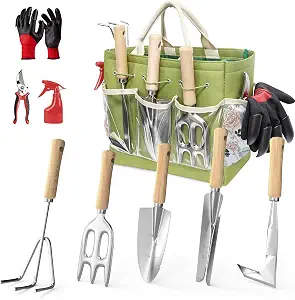
Gardening tools are equipment used for planting, growing, watering, trimming, cleaning, and maintaining plants. Different gardening tasks require different tools.
For example, a hand trowel is useful for planting small plants, while a garden spade is better for digging soil. Pruning shears are designed for cutting stems and small branches, while a garden rake is useful for collecting leaves and debris.
Choosing suitable gardening tools can save time, reduce effort, and make regular garden maintenance more convenient.
Essential Gardening Tools
There are many gardening tools available, but some are more useful than others. The following tools are suitable for most home gardeners.
1. Hand Trowel
A hand trowel is one of the most important gardening tools for beginners. It is a small handheld tool with a metal blade and a handle.
A hand trowel is commonly used for planting flowers, vegetables, herbs, and small plants. It is also useful for transferring soil and working with containers and flower pots.
When buying a hand trowel, look for a strong blade and a comfortable handle.
2. Garden Spade
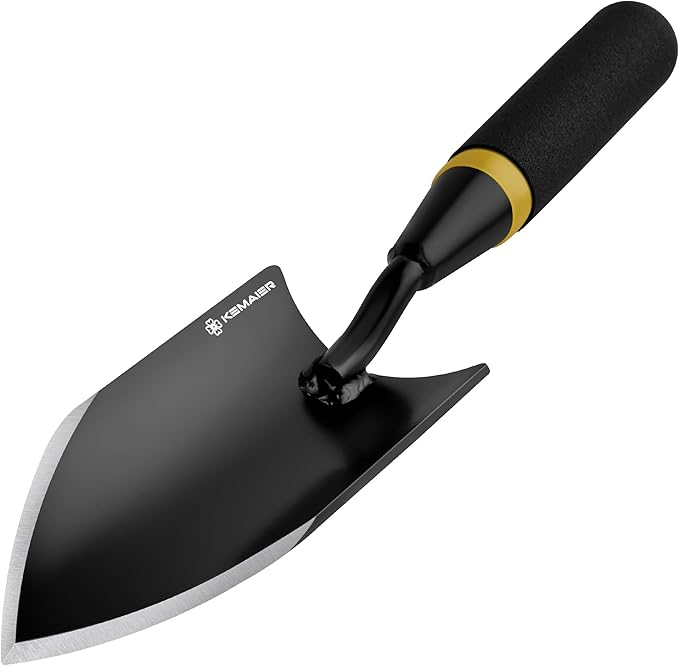
A garden spade is designed for digging, moving, and turning soil. It usually has a flat and strong blade that can help gardeners prepare planting areas.
A spade is useful for creating planting holes, dividing soil, and preparing garden beds. Choose a spade with a durable blade and a strong handle for regular use.
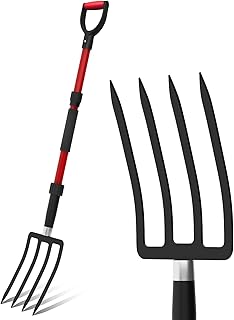
3. Garden Fork
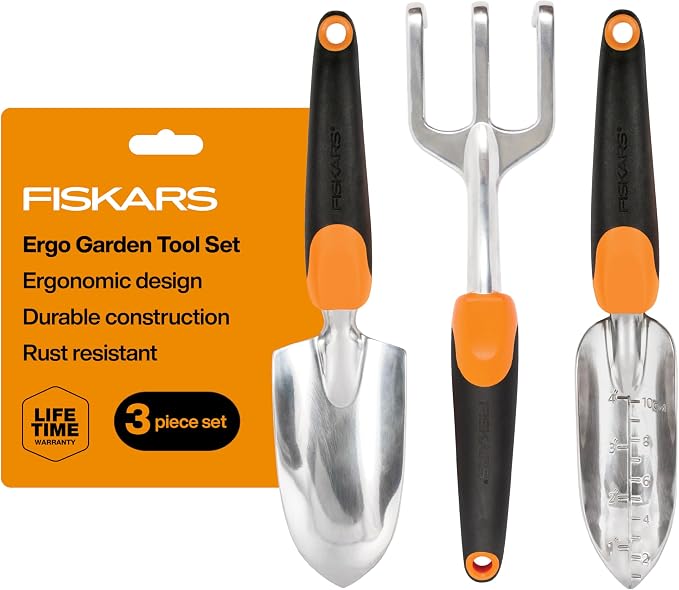
A garden fork is another useful tool for preparing soil. Its strong metal tines can loosen compacted soil and help mix compost or organic material into the ground.
Garden forks can also be useful for lifting plants and removing roots from the soil. They are particularly helpful when preparing larger garden beds.
4. Pruning Shears
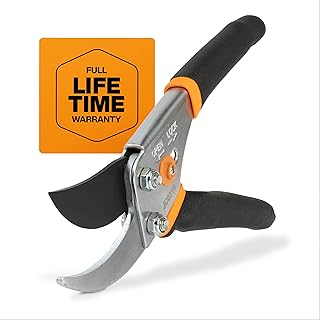
Pruning shears are used for cutting stems, small branches, dead flowers, and unwanted plant growth. Regular pruning can help gardeners maintain plants and remove damaged growth.
Choose pruning shears with sharp blades and comfortable handles. Clean the blades after use to help keep them in good condition.
5. Garden Rake
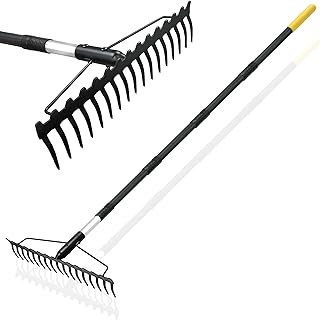
A garden rake is useful for collecting fallen leaves, grass, small branches, and other garden debris. It can also help spread loose material and level the surface of garden beds.
A lightweight rake is suitable for everyday garden cleaning. Choose a stronger rake if you regularly work with heavier garden materials.
6. Garden Hoe
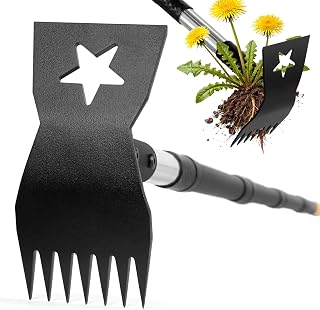
A garden hoe is commonly used for removing weeds and loosening the top layer of soil. It can also be used to create shallow rows for planting seeds.
A comfortable handle is important because hoeing can sometimes require repeated movement. Choose a size that is suitable for your garden and your height.
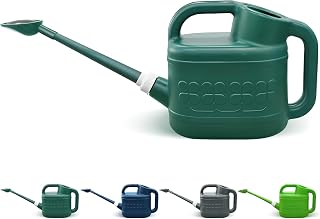
7. Watering Can
Water is essential for healthy plant growth, and a watering can provides an easy way to water plants.
Watering cans are especially useful for indoor plants, flower pots, containers, and small gardens. A model with a suitable nozzle can provide a gentle flow of water without disturbing the soil.
For larger gardens, a garden hose may be more convenient.
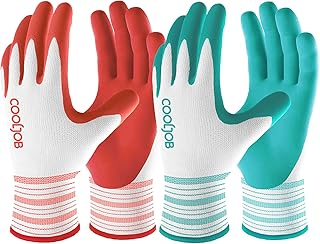
8. Garden Gloves
Garden gloves help protect your hands while working with soil, plants, and gardening materials. They can also help keep your hands cleaner during gardening.
Choose gloves that fit comfortably and allow easy finger movement. Good-quality gloves should be suitable for the type of gardening work you normally perform.
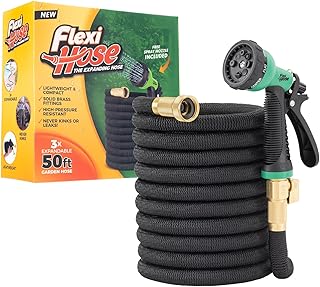
9. Garden Hose
A garden hose is an important tool for watering larger outdoor spaces. It can be used for lawns, flower beds, trees, shrubs, and vegetable gardens.
A hose with an adjustable spray nozzle can provide different water patterns for different plants and cleaning tasks.
Before buying a hose, consider its length and the size of your garden.
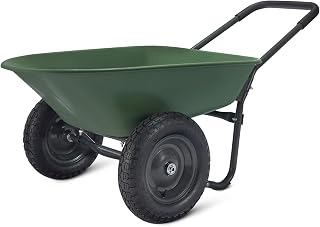
10. Wheelbarrow
A wheelbarrow makes it easier to transport soil, compost, leaves, plants, and other gardening materials.
It is particularly useful for medium and large gardens. A strong frame, comfortable handles, and a durable wheel can make a wheelbarrow easier to use.
How to Choose the Best Gardening Tools
Choosing the right gardening tools depends on your garden size, budget, and gardening activities. Before buying a tool, consider how often you will use it and what type of work it needs to perform.
Look for durable materials and comfortable handles. Tools should not be unnecessarily heavy because uncomfortable equipment can make gardening more difficult.
For beginners, it is better to purchase a few high-quality essential tools instead of buying a large collection of tools that may not be used regularly.
Gardening Tools for Beginners
Beginners do not need complicated equipment. A basic collection can include a hand trowel, garden gloves, pruning shears, garden rake, watering can, and garden spade.
These tools can help with many common tasks such as planting, watering, cleaning, and trimming plants.
As your gardening experience grows, you can add specialized tools such as a garden fork, hoe, hose, and wheelbarrow.
How to Maintain Gardening Tools
Proper maintenance can help gardening tools last longer. Clean your tools after use and remove soil, leaves, and plant material from their surfaces.
Dry metal tools before storing them to reduce the chance of rust. Keep pruning shears and other cutting tools clean and properly maintained.
Wooden handles should also be checked regularly for cracks or damage. Store all gardening tools in a dry and organized location.
Regular maintenance keeps tools ready for your next gardening project and can reduce the need for frequent replacements.
Gardening Tools Safety Tips
Using gardening tools correctly is important for safe gardening. Always check tools before use and make sure they are in good condition.
Keep sharp tools in a safe location when they are not being used. Use gardening gloves when appropriate and follow the instructions provided with specialized equipment.
After finishing your gardening work, clean your tools and return them to their proper storage location.
Why Good Gardening Tools Matter
Good gardening tools can make gardening more comfortable and efficient. The right equipment can help you complete tasks such as digging, planting, watering, pruning, weeding, and cleaning with less effort.
Quality tools can also provide better control and durability. Instead of buying many inexpensive tools, focus on equipment that is suitable for your specific gardening needs.
Conclusion
The right gardening tools can make garden maintenance easier, faster, and more enjoyable. Essential tools such as a hand trowel, garden spade, garden fork, pruning shears, rake, hoe, watering can, gloves, garden hose, and wheelbarrow can help you handle many common gardening tasks.
If you are a beginner, start with a few basic tools and add more equipment as your garden grows. Choose tools that are durable, comfortable, and suitable for your gardening needs.
With proper tool selection, regular maintenance, and safe handling, you can make your gardening routine more productive and enjoyable.
Frequently Asked Questions
What are the most important gardening tools?
The most important gardening tools include a hand trowel, garden spade, garden fork, pruning shears, garden rake, hoe, watering can, gloves, garden hose, and wheelbarrow.
What gardening tools should beginners buy?
Beginners can start with a hand trowel, garden gloves, pruning shears, garden rake, watering can, and garden spade.
How should gardening tools be stored?
Gardening tools should be cleaned, dried, and stored in a dry and organized place. Sharp tools should be stored safely.
How often should gardening tools be cleaned?
It is best to clean gardening tools after use, especially when they have soil, plant material, or moisture on them.
How can I make gardening tools last longer?
Clean and dry your tools after use, maintain cutting blades, check handles for damage, and store the tools in a dry location.
SEE MORE : https://usman.zeerankers.com