Gardening is a rewarding activity that allows people to connect with nature while making their homes and surroundings more beautiful. A well-maintained garden can provide fresh vegetables, herbs, fruits, colorful flowers, and a peaceful place to relax. You do not need a large yard or expensive equipment to start gardening. With proper planning, suitable plants, healthy soil, and regular care, anyone can create a beautiful and productive garden.
What Is Gardening?
Gardening is the process of growing and caring for plants. It includes preparing the soil, planting seeds or seedlings, watering plants, removing weeds, adding nutrients, and protecting plants from pests and diseases.
Gardening can be done in many different places, including backyards, balconies, rooftops, patios, containers, and small indoor spaces. The type of gardening you choose depends on your available space, climate, sunlight, and personal interests.
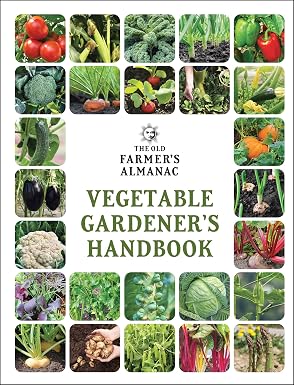
There are several common types of gardening. Vegetable gardening focuses on growing vegetables such as tomatoes, carrots, spinach, peppers, and cucumbers. Flower gardening is mainly used to grow beautiful flowers such as roses, marigolds, and petunias. Herb gardening involves growing useful herbs such as mint, basil, coriander, and parsley.
Benefits of Gardening
Gardening offers many benefits for individuals, homes, and the environment. One of the most useful benefits is having access to fresh vegetables and herbs. Growing some of your own food can provide fresh ingredients for everyday meals.
A garden can also improve the appearance of your home. Green plants, colorful flowers, and trees can create a pleasant and attractive outdoor environment. Plants can also provide shade and support local wildlife.
Gardening is also a good way to stay active. Digging, planting, watering, pruning, and removing weeds involve regular movement and outdoor activity.
Another benefit is that gardening can be a relaxing hobby. Watching plants grow and caring for them can be satisfying and enjoyable. Gardening can also teach children about nature, patience, responsibility, and the process of growing food.
Choosing the Right Location for Your Garden
Choosing the right location is one of the first steps toward successful gardening. Most plants need sunlight, water, air, and healthy soil to grow properly.
Before creating a garden, observe the available space and determine how much sunlight it receives throughout the day. Many vegetables and flowering plants require several hours of sunlight, while some plants grow better in partial shade.
Good drainage is equally important. Water should not remain around plant roots for long periods because excessive moisture can cause root problems. If your soil does not drain properly, you can improve it with suitable organic material or consider using raised beds and containers.
Preparing Healthy Soil
Healthy soil provides plants with the nutrients and support they need for strong growth. Before planting, remove stones, weeds, and other unwanted material from the garden area. Loosen the soil with an appropriate garden tool so that plant roots can grow more easily.
Adding compost or other suitable organic matter can improve soil structure and provide nutrients. Good soil preparation can help plants develop stronger roots and grow more successfully.
Avoid using excessive fertilizer. Too much fertilizer may damage plants and negatively affect soil quality. It is better to understand the needs of your plants and provide nutrients according to those requirements.
Selecting the Right Plants
Choosing suitable plants is another important part of gardening. Beginners should start with plants that are easy to grow and suitable for their local climate.
Vegetables such as tomatoes, leafy greens, radishes, and some herbs can be suitable choices for a home garden. Flowers can also add beauty and color to outdoor spaces.
When selecting plants, consider their sunlight, water, soil, temperature, and seasonal requirements. Choosing plants that match your garden conditions can make maintenance easier and improve the chances of healthy growth.
It is usually better to start with a small number of plants rather than trying to grow too many varieties at once. A small garden is easier to manage and allows beginners to develop their gardening skills.
How to Water Plants Properly
Water is essential for healthy plant growth, but overwatering can be just as harmful as underwatering. The amount of water a plant needs depends on its type, soil, weather, and growing conditions.
Before watering, check the soil. If the soil feels dry, the plant may need water. Water should generally be applied near the base of the plant so moisture can reach the roots effectively.
Watering in the morning can be useful because plants have time to absorb moisture during the day. Avoid wasting water by watering only when necessary and using efficient watering methods.
Controlling Weeds in the Garden
Weeds can compete with garden plants for water, nutrients, sunlight, and growing space. Regularly checking your garden can prevent weeds from becoming a major problem.
Small weeds can often be removed by hand or with suitable gardening tools. Mulching around plants can also help reduce weed growth while helping the soil retain moisture.
When removing weeds, work carefully to avoid damaging the roots of nearby plants. Regular maintenance is usually easier than allowing weeds to grow for a long time.
Protecting Plants From Pests and Diseases
Garden plants can sometimes be affected by insects, pests, and diseases. Regularly inspecting leaves, stems, and flowers can help you notice problems early.
Healthy soil, proper watering, suitable spacing, and good garden hygiene can support healthier plants. Remove damaged or diseased plant material when appropriate and keep the garden area clean.
If a serious pest problem develops, first identify the problem before selecting a treatment. Choosing the least harmful suitable method can help protect beneficial insects and the surrounding environment.
Essential Gardening Tools
Having the right gardening tools can make garden maintenance easier. Beginners do not need a large collection of equipment. A few basic tools are often enough to get started.
Useful gardening tools include:
- Hand trowel
- Garden gloves
- Watering can
- Pruning shears
- Garden rake
- Garden fork
- Small shovel
- Plant containers
Keep gardening tools clean and store them safely after use. Clean tools can help reduce the spread of some plant diseases. Sharp tools should always be handled carefully.
Sustainable Gardening Practices
Sustainable gardening focuses on growing plants while reducing waste and protecting natural resources. Simple practices can make a garden more environmentally friendly.
Composting suitable kitchen and garden waste can create useful organic material for the soil. Using water efficiently can also help reduce unnecessary water consumption.
Growing a variety of flowers and plants can provide food and shelter for beneficial insects. Avoiding unnecessary chemical treatments and using environmentally friendly gardening methods can help maintain a healthier garden ecosystem.
Gardening in Small Spaces
You do not need a large backyard to enjoy gardening. Container gardening is an excellent option for balconies, rooftops, patios, and other small spaces.
Containers can be used to grow herbs, flowers, vegetables, and some fruit plants. Make sure containers have suitable drainage and provide plants with an appropriate growing medium.
Vertical gardening is another useful option for small areas. Shelves, trellises, and other suitable structures can help gardeners grow plants upward and make better use of limited space.
Tips for Beginner Gardeners
If you are new to gardening, start slowly and learn as you go. Choose a few easy-to-grow plants and focus on understanding their basic needs.
Here are some useful gardening tips:
- Choose plants that suit your local climate.
- Provide plants with suitable sunlight.
- Use healthy, well-prepared soil.
- Avoid overwatering plants.
- Remove weeds regularly.
- Check plants for pests and diseases.
- Use compost when appropriate.
- Keep gardening tools clean.
- Start with a small garden.
- Be patient and give plants time to grow.
Conclusion
Gardening is a rewarding hobby that can make your home more beautiful while providing fresh vegetables, herbs, flowers, and other plants. Successful gardening requires proper planning, healthy soil, suitable plants, adequate sunlight, appropriate watering, and regular maintenance.
Whether you have a large backyard, a small patio, a rooftop, or a balcony, you can start a garden with just a few plants. With patience, consistent care, and basic gardening knowledge, even a small space can become a beautiful and productive garden.
Gardening is not only about growing plants; it is also about learning, caring for nature, and enjoying the results of your hard work.
SEE MORE :https://usman.zeerankers.com